Introduction
Let’s look at a real case to understand how hair loss progresses and how a hair transplant can help.
Have you ever wondered what happens when hair fall continues for years and medicines stop working? This case will help you understand that clearly.
Patient Details
Pradeep Godse is a 29-year-old male from Gujarat.
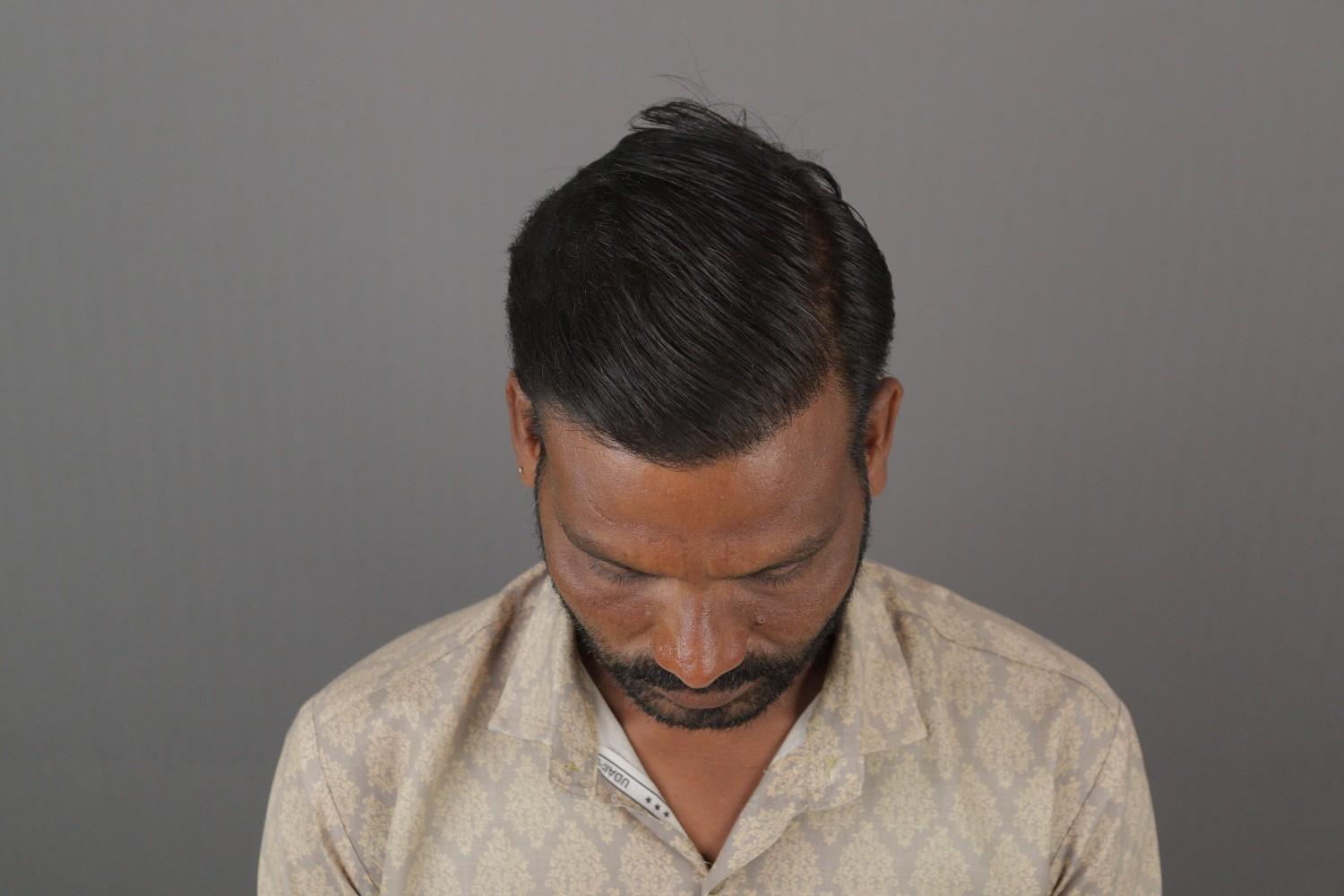
He started experiencing hair loss around 6 to 7 years ago. Initially, it was mild, but over time it progressed into visible baldness, especially in the front area.
Hair Loss History and Pattern
Now, let’s understand his hair loss pattern.
-
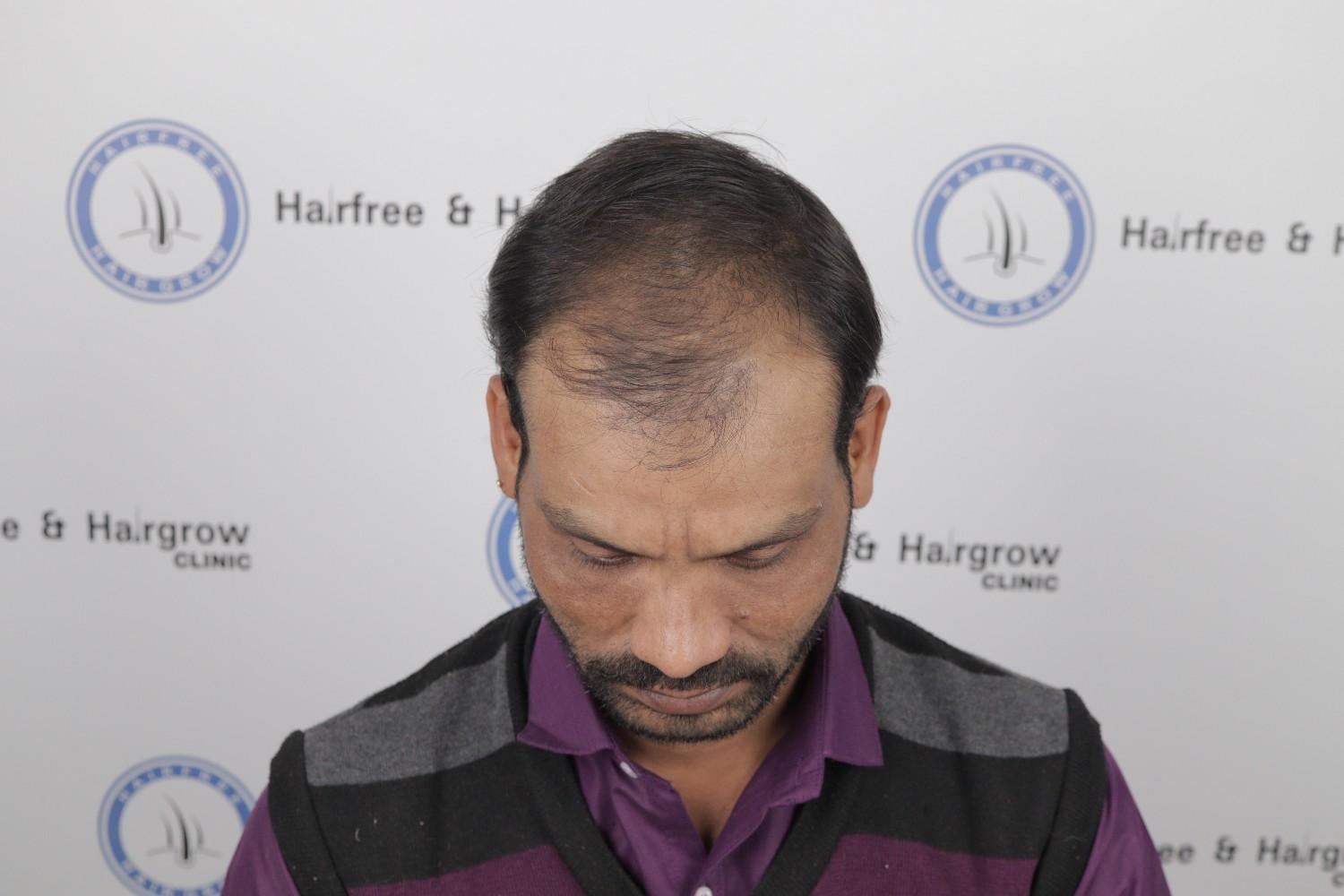
Front hairline: completely lost
-
Mid-scalp: relatively preserved with mild thinning
-
Crown area: noticeable thinning
This pattern is commonly seen in genetic hair loss.
Do you know why this happens?
Because of family history. In this case, Pradeep’s father also had baldness, which increased his chances of developing the same condition.
Previous Treatment History
Before considering surgery, Pradeep had already tried:
-
Minoxidil
-
Multivitamins
What if you rely only on medicines in such cases?
Medicines can help slow down hair fall and improve existing hair, but they usually cannot restore a lost hairline. This is exactly what happened here. He saw some improvement initially, but later the results stopped.
Clinical Evaluation
When Pradeep visited the clinic, a detailed evaluation was done.
This included:
-
Scalp examination
-
Hair density assessment
-
Donor area analysis
Trichoscopy showed:
-
Donor area: average to good
-
Hair type: thick, black, slightly wavy
This is important because a good donor area increases the chances of achieving better density after transplant.
Treatment Plan
So what was the best solution in this case?
Since the hairline was completely lost, a hair transplant was planned.
The procedure details:
-
Technique: FUE (Follicular Unit Extraction)
-
Date: 26 January 2023
-
Total grafts: 4040
In addition, PRP sessions and medical therapy were planned to support hair growth and maintain existing hair.
Procedure Overview
Let’s understand how the procedure was done.
1. Hairline Design
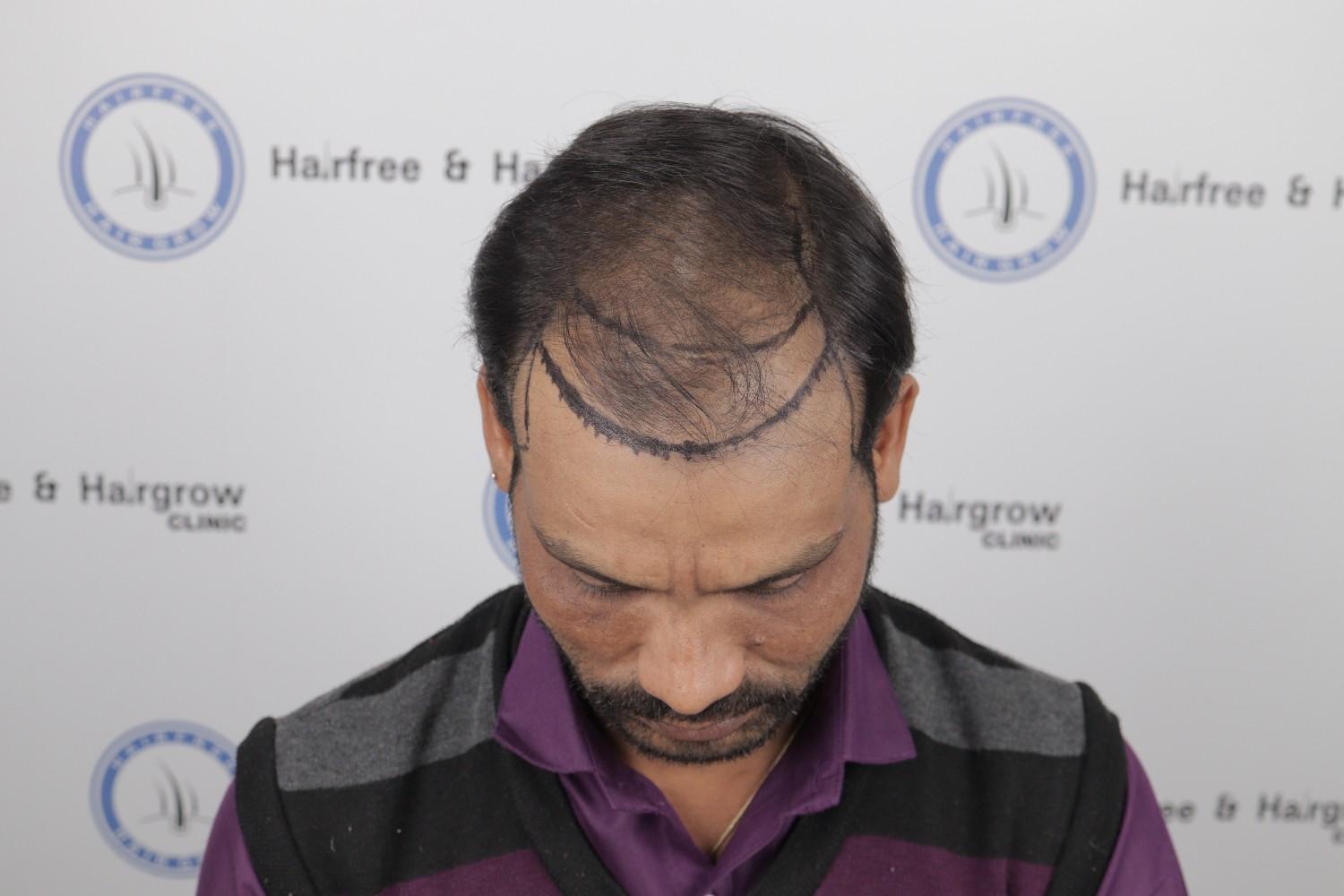
The hairline was carefully designed according to the patient’s facial structure and hair loss pattern. Both the front and crown areas were planned.
2. Anesthesia
Local anesthesia was given to make the procedure comfortable.
3. Slit Creation
Small channels were created in the recipient area. The angle and direction were carefully controlled to ensure a natural look.
4. Graft Extraction
Hair grafts were extracted from the donor area using a fine punch.
-
Total grafts: 4040
-
The majority were multiple hair grafts, which helps improve density
5. Implantation
The extracted grafts were implanted into the prepared areas using implanters.
Post-Procedure Course
Now comes an important question.
What happens after the transplant?
Shedding Phase (0–3 months)
-
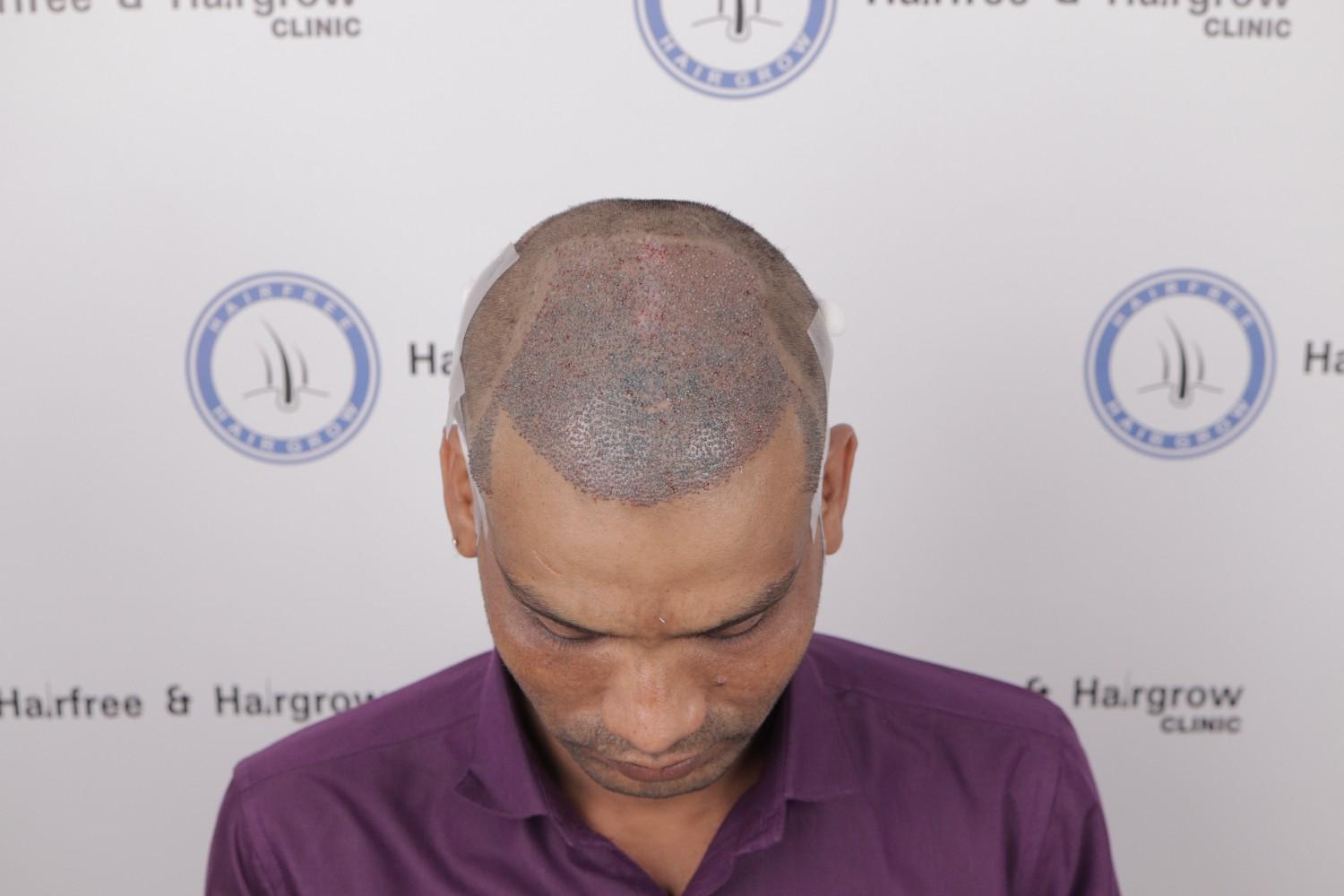
Transplanted hairs shed, which is normal.
-
Roots remain intact
-
PRP sessions were given
-
Existing hair improved
Early Growth Phase (3–5 months)
-
New hair starts growing
-
Gradual improvement in density
Active Growth Phase (6–9 months)
-
Significant growth observed
-
Around 70–80% density achieved
Final Outcome (10 months)
-
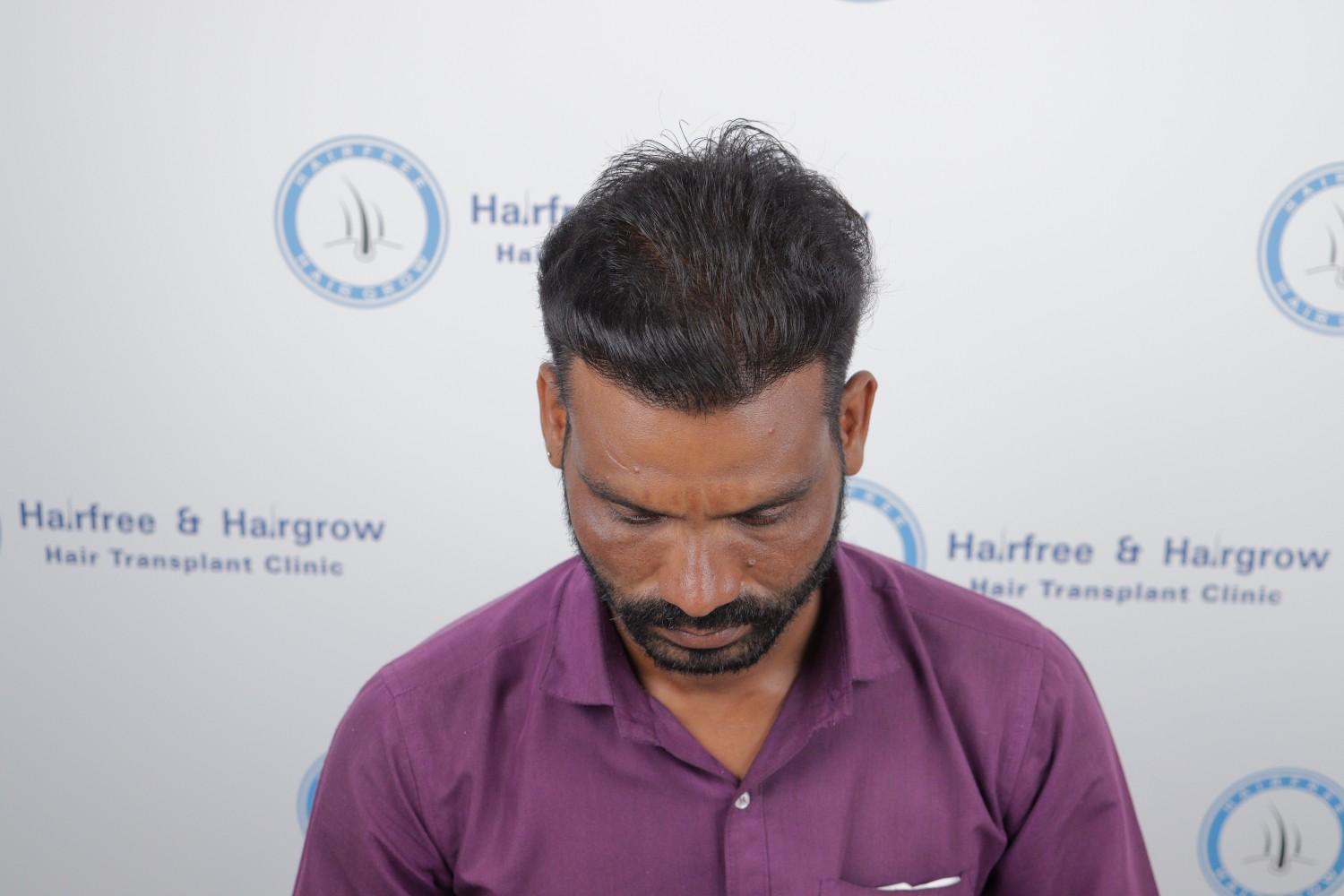
Full results achieved
-
Natural hairline
-
Good density in front and crown
-
Patient able to style hair normally
Maintenance
After achieving results, the patient was advised:
-
Continue minoxidil
-
Consider PRP if needed in the future
This helps maintain existing hair and prolong results.
Conclusion
So what can we learn from this case?
If hair loss is genetic and has progressed to a stage where the hairline is completely lost, medicines alone may not be enough.
In such cases:
-
A properly planned hair transplant
-
Combined with medical therapy
can provide natural and long-lasting results.
The key is correct diagnosis, proper planning, and realistic expectations.