Patient Overview
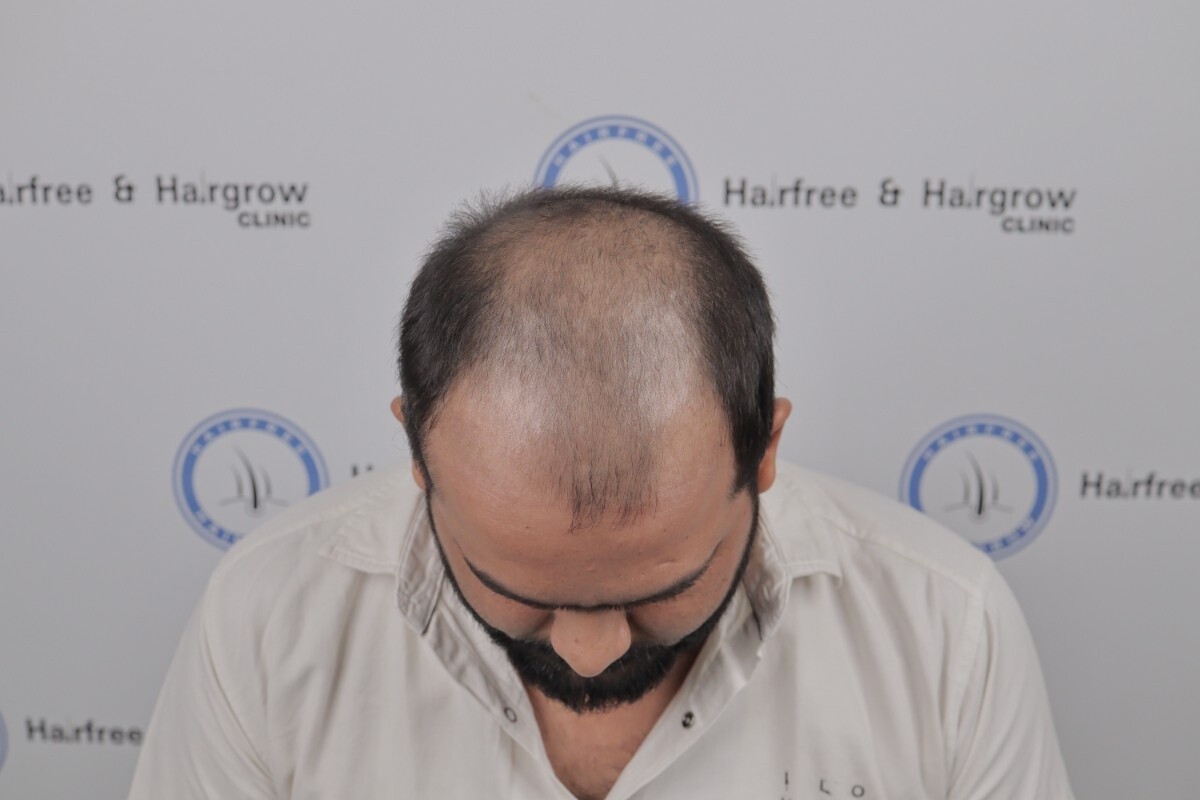
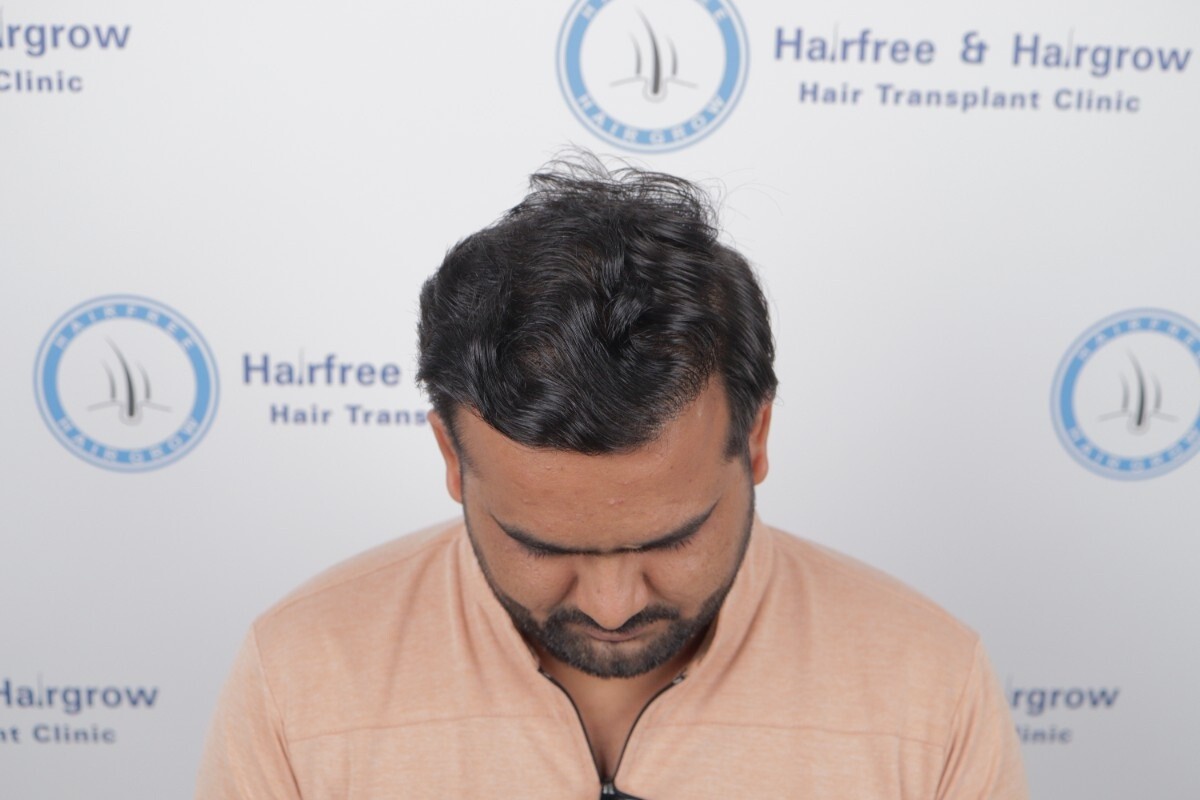
Raiyan Memon, a 29-year-old male from Vadodara, Gujarat, consulted us with Grade 5–6 male pattern baldness (advanced androgenetic alopecia). He had been experiencing progressive hair fall for nearly 8–10 years, with visible scalp thinning worsening over the last 6–7 years.
At the time of clinical evaluation, he presented with:
-
Complete loss of the frontal hairline
-
Extensive baldness in the frontal and mid-scalp region
-
Diffuse thinning over the crown
-
Reduced overall hair density
From a medical standpoint, this pattern is consistent with Norwood Grade VI baldness, where strategic planning is essential to achieve natural density and long-term sustainability.
Medical Assessment & Pre-Surgical Evaluation
As part of our standard hair restoration protocol at Hairfree Hairgrow Clinic, a comprehensive medical and scalp evaluation was performed.
Medical History
-
No diabetes, hypertension, thyroid disorder, or systemic illness
-
No previous surgeries
-
No drug or food allergies
-
No history of keloid formation
This made him a medically fit candidate for hair transplant surgery.
Previous Treatments
The patient had previously tried Ayurvedic oils without clinical improvement. No evidence-based medical therapy (such as minoxidil or finasteride) had been used consistently before consultation.
Consultation & Treatment Planning
Raiyan consulted with me, Dr. Jinkal Kunjadiya, at our Surat branch.
During the consultation, we discussed:
-
The progressive nature of androgenetic alopecia
-
Realistic density expectations in Grade 6 baldness
-
Importance of donor area preservation
-
Need for a staged approach (if required)
-
Post-transplant medical maintenance
After dermoscopic evaluation, his donor area density and hair caliber were found adequate, although hair shafts were medium-thin with mild graying.
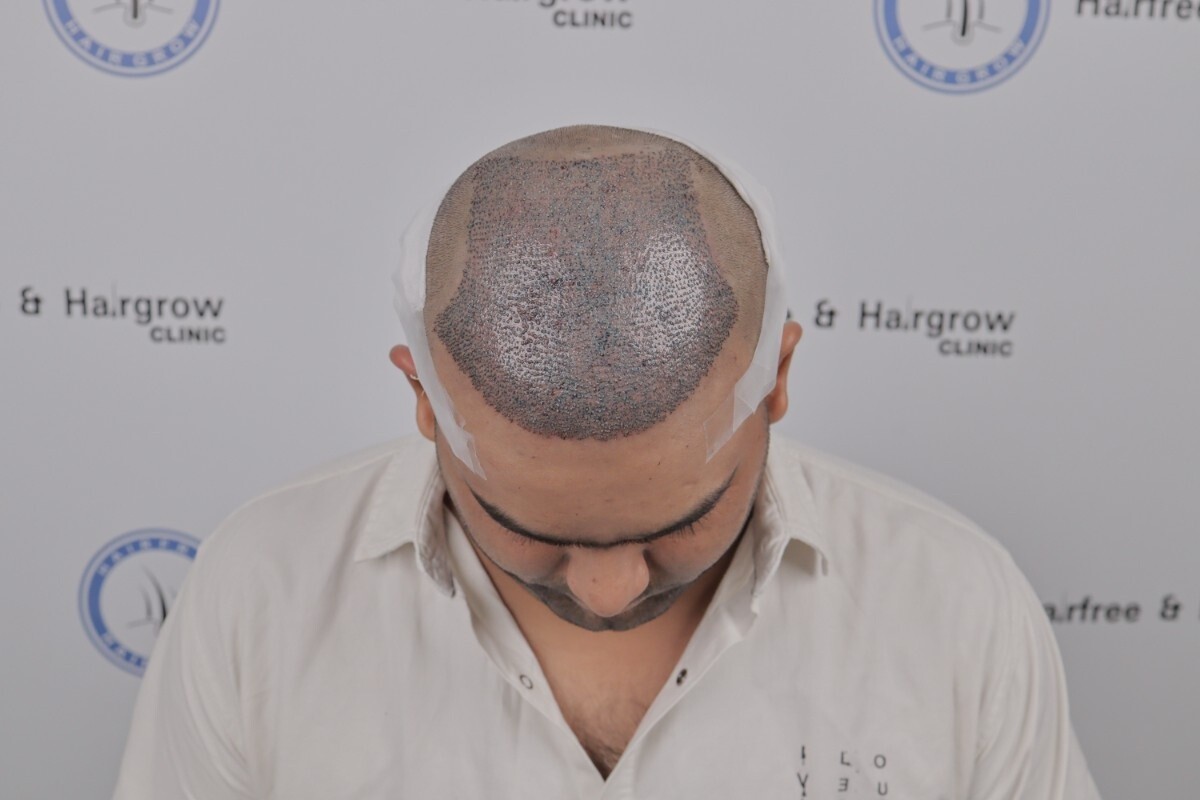
Based on scalp laxity, donor capacity, and recipient area measurement, we planned approximately 4000+ grafts using the I-FUE (Implantable Follicular Unit Extraction) technique.
Surgical Procedure Step-by-Step Medical Approach
Procedure Date & Technique
-
Date: 22 December 2022
-
Technique: I-FUE Hair Transplant
-
Total Grafts Extracted: 4037
-
Duration: Approximately 6–7 hours
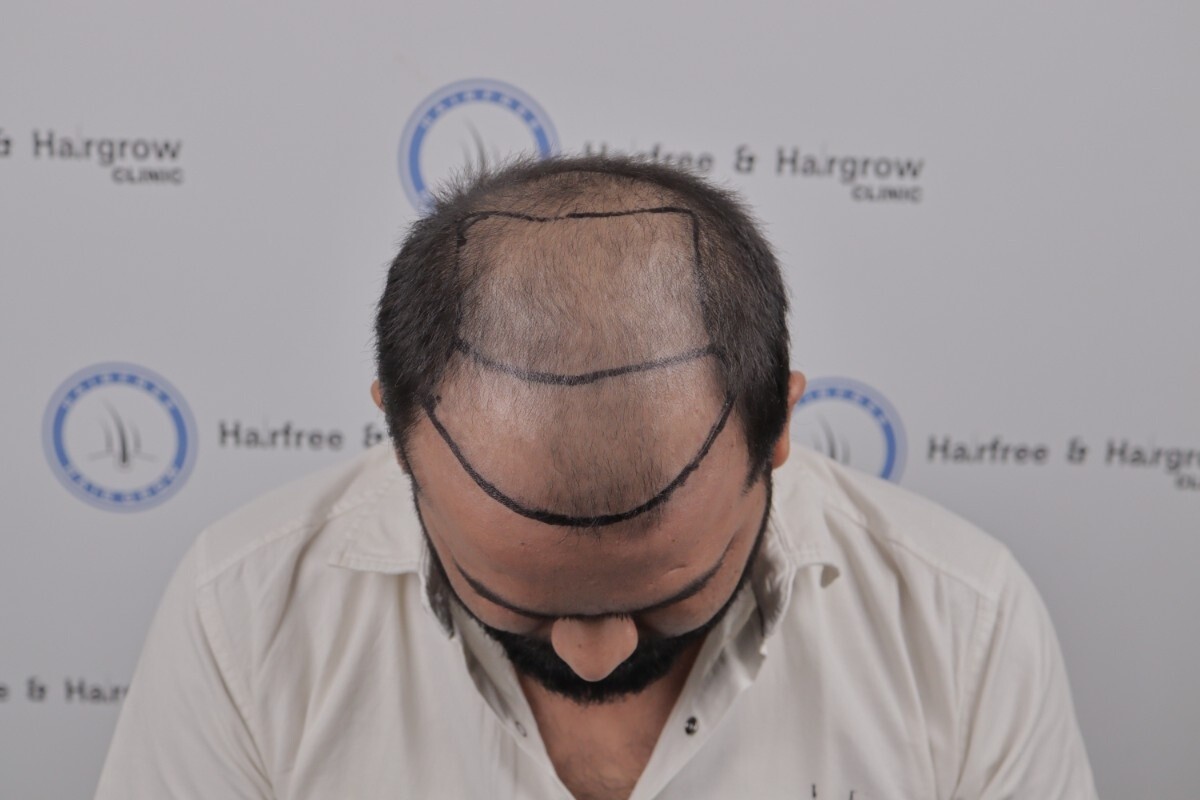
Hairline Design & Density Mapping
In advanced baldness, hairline design is critical. An overly aggressive low hairline can compromise future graft availability.
We designed:
-
A mature, age-appropriate hairline
-
Dense frontal zone
-
Balanced mid-scalp coverage
-
Upper crown implantation
-
Lower crown reserved for future session if required
Strategic graft distribution ensures natural aesthetics and long-term planning.
Local Anesthesia Protocol
A modified block anesthesia technique was administered.
Patients typically feel:
-
Mild discomfort during initial injection (similar to an ant bite)
-
Complete numbness thereafter
Raiyan tolerated anesthesia very well, and the entire procedure remained comfortable.
Sapphire Slit Creation
Recipient site creation was performed using:
-
1.2 mm sapphire blade for hairline
-
1.4 mm blade for mid-scalp and crown
Special care was taken to maintain:
-
Natural hair angulation
-
Correct directional flow
-
Proper depth control
This step directly determines natural-looking hair growth.
Graft Extraction (FUE Technique)
Using a 0.8 mm sterile titanium punch under magnification:
-
4037 grafts were harvested.
-
Extraction time: 150–160 minutes
Graft Quality Analysis:
-
20–25% single follicular units (ideal for hairline)
-
75–80% double & triple follicular units (for density)
-
Medium thickness, good root integrity
Grafts were preserved in chilled Ringer Lactate solution at 4°C to maintain viability and reduce desiccation injury.
Graft Implantation
Implantation was performed using advanced K.E.E.P. implanters, allowing:
-
Minimal graft handling
-
Reduced follicle trauma
-
Improved survival rate
-
Dense packing precision
Implantation time: 160–170 minutes.
Post-Operative Recovery & Hair Growth Timeline
Shedding Phase (0–3 Months)
Shedding of transplanted hair shafts is medically expected and called anagen effluvium.
-
20–30% shedding occurs monthly
-
Follicles remain intact under the scalp
-
Donor area healed completely within 2–3 months
One PRP session was administered at 2 months to enhance vascular support and follicular stimulation.
Early Growth Phase (3–6 Months)
-
New hair growth began after 3 months.
-
Approximately 70–80% visible growth by 6 months
-
Variable hair length and thickness during this stage
Additional PRP sessions were given at the 4th and 6th month to optimize growth.
By 6 months, Raiyan’s facial framing and overall appearance had significantly improved.
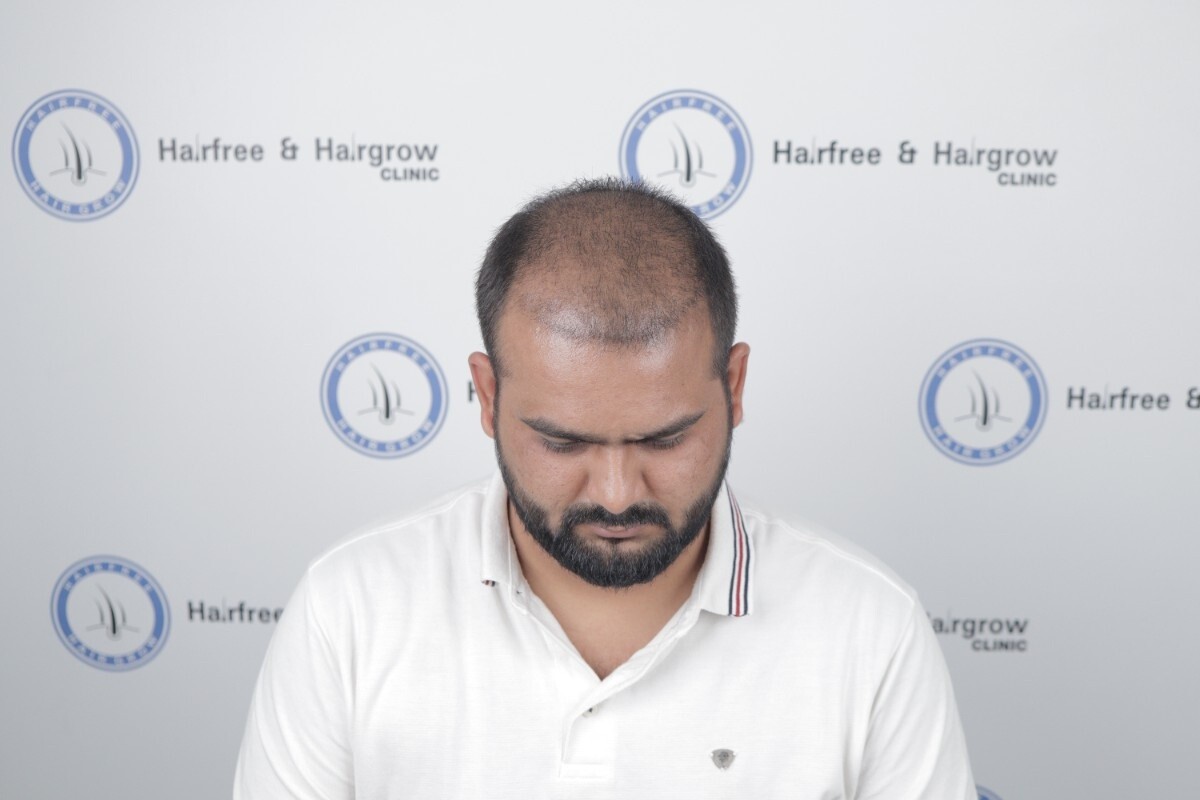
Final Results (12 Months)
At one year:
-
Full cosmetic result achieved
-
Improved frontal density
-
Natural hairline appearance
-
Balanced scalp coverage
The maintenancemonths plan included:
-
Topical minoxidil
-
Nutritional support
-
Booster PRP every 3 months
Clinical Outcome & Patient Satisfaction
Raiyan reported significant improvement in self-confidence and social comfort. As the treating physician, what satisfied me most was
-
Natural hairline blending
-
Uniform graft survival
-
Healthy donor preservation
-
High patient compliance
In Grade 6 baldness, achieving balanced density without over-harvesting is a surgical success indicator.
Considering a Hair Transplant for Advanced Baldness?
If you are experiencing:
-
Progressive male pattern baldness
-
Receding hairline
-
Crown thinning
-
Loss of confidence due to hair loss
A properly planned, medically supervised FUE hair transplant can provide long-lasting and natural results.
However, success depends on:
-
Correct diagnosis
-
Donor assessment
-
Surgical expertise
-
Post-operative maintenance
Book a Personalized Consultation
Every scalp is different. A detailed evaluation is essential before planning surgery.
If you would like a scientific assessment of your hair loss pattern and suitability for transplant, schedule a consultation with our expert team today. Early intervention always provides better long-term outcomes.