Introduction
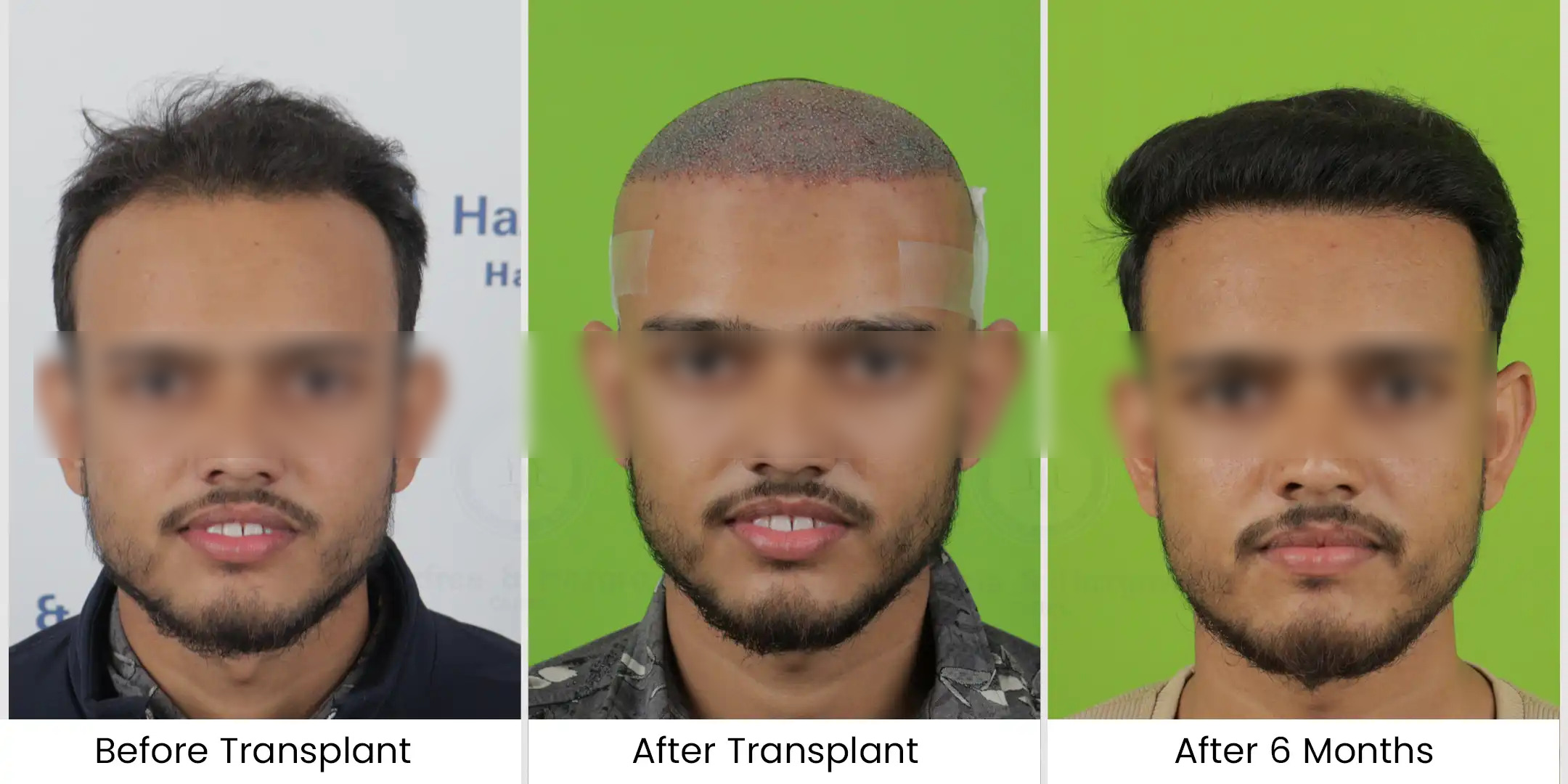
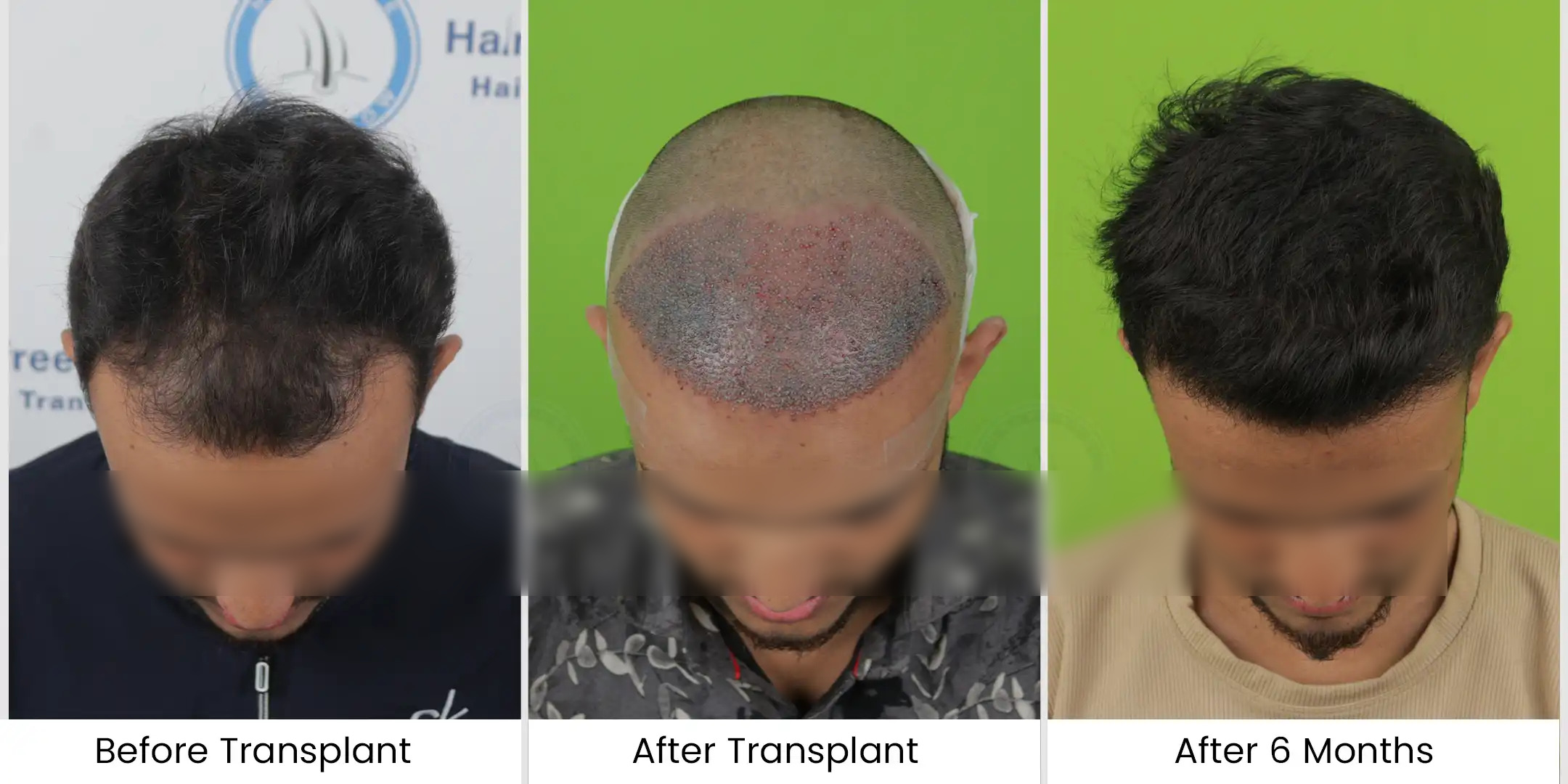
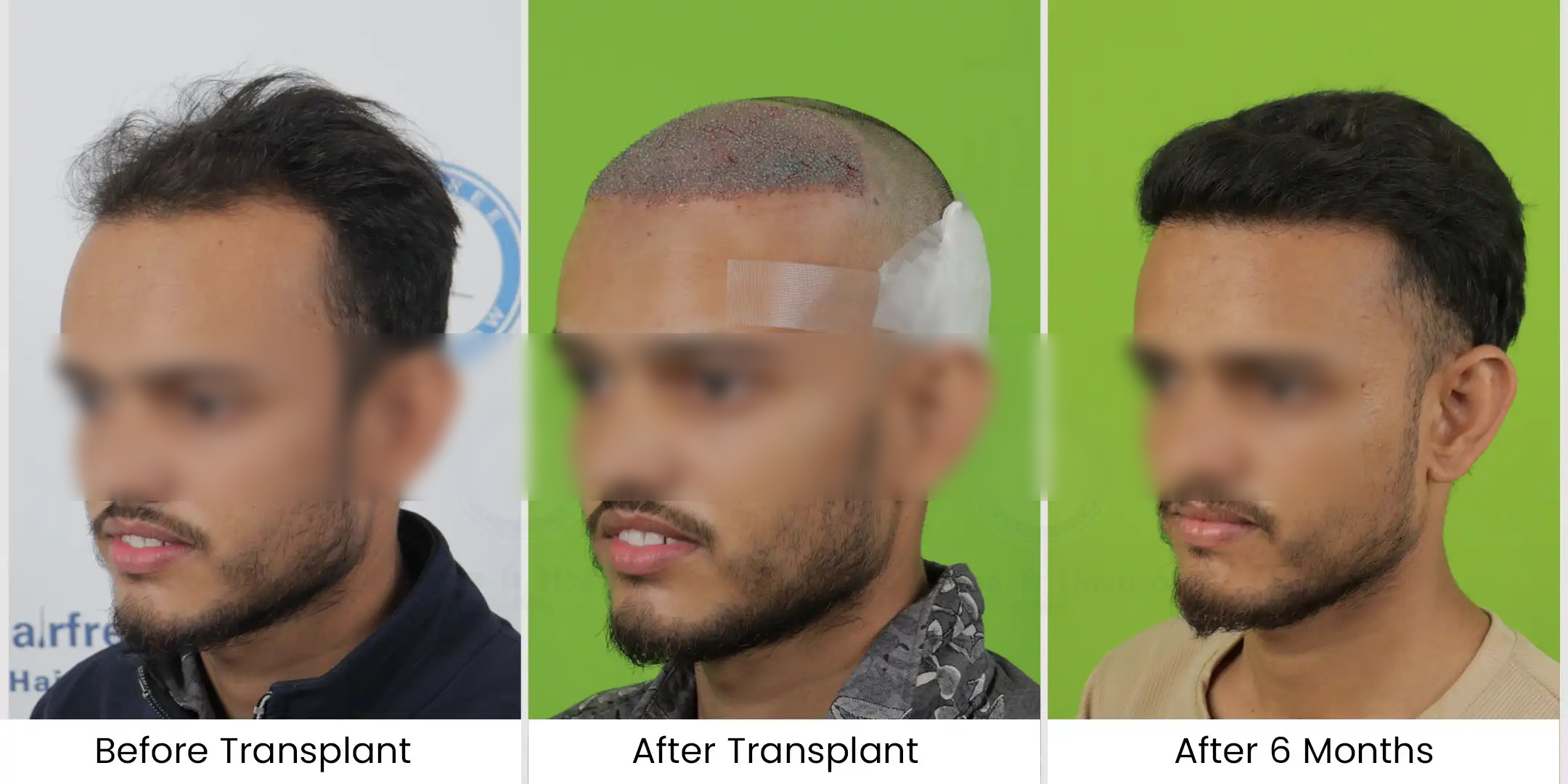
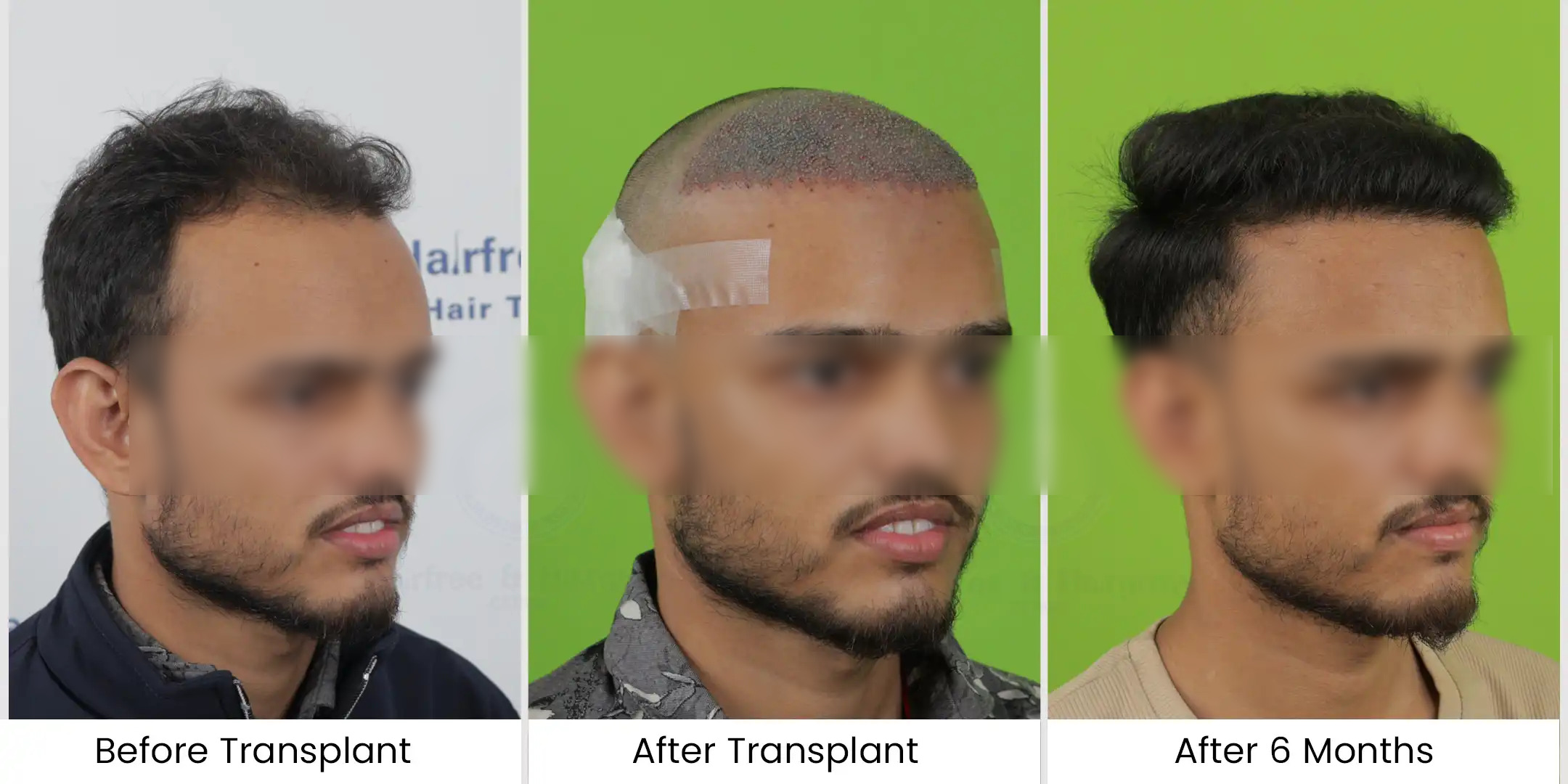
Hair loss at a young age can be frustrating, especially when it starts affecting confidence and appearance. In this case study, we share the real hair transplant journey of Prajwal Patil, a 23-year-old patient who experienced early-stage hair loss and achieved natural-looking results through an advanced hair transplant procedure.
This case highlights how modern hair transplant treatment, when combined with proper planning and aftercare, can deliver long-lasting and natural outcomes.
About the Patient
Prajwal Patil, 23 years old, had been dealing with gradual hair loss for the past 4 to 5 years. By the time he came for consultation, he had:
- A clearly receded hairline
- Noticeable thinning in the frontal area
His mid-scalp and crown area were still stable, making him an ideal candidate for a front hairline restoration hair transplant.
Medical & Hair Loss Background
- No major medical conditions
- No history of allergies or surgeries
- No keloid history
- Positive family history of male pattern baldness
Like many young patients, he had not tried any medical treatment earlier and directly explored a permanent solution for hair loss through hair transplant.
Consultation & Hair Analysis
During consultation, a detailed scalp and donor area analysis was done.
Key observations:
- Strong donor area with good hair density
- Thick and healthy hair follicles
- Mild dandruff and dry scalp
The patient was educated about:
- The hair transplant procedure step by step
- Expected results and timeline
- Importance of maintaining existing hair with medication
After understanding everything, he decided to proceed with the treatment.
Treatment Plan
- Technique Used: I-FUE (Implanter FUE Hair Transplant)
- Number of Grafts: 3005 grafts
- Procedure Date: December 2023
Post-Treatment Plan
To enhance and maintain results:
- PRP hair treatment sessions at regular intervals
- Minoxidil 5% for hair growth
- DHT blockers to control further hair loss
- Multivitamins for overall hair health
Hair Transplant Procedure Explained
Hairline Design
A natural-looking hairline was carefully designed based on facial structure and future hair loss patterns. The goal was to achieve a natural hair transplant result, not an artificial or overly dense look.
Anesthesia
A painless local anesthesia technique was used. The patient felt only slight discomfort initially, after which the entire procedure was comfortable.
Slit Creation (Recipient Area)
Tiny slits were created in the front area using advanced tools. Special care was taken to maintain:
- Natural angle
- Proper direction
- Even density
This step is crucial for achieving a natural hairline after hair transplant.
Graft Extraction
Around 3005 hair grafts were extracted from the donor area.
- 20% single grafts (for soft hairline)
- 80% multiple grafts (for density)
This combination ensures both natural appearance and good density.
Implantation
The grafts were implanted using an advanced implanter technique, allowing precise placement and better survival of grafts.
Hair Growth Timeline After Hair Transplant
0–3 Months: Shedding Phase
The transplanted hair started shedding, which is a normal part of the hair transplant recovery process.
Although this phase can be stressful, it is temporary. PRP treatment was given to support hair roots and reduce hair fall.
3–4 Months: Early Hair Growth
New baby hairs started appearing gradually. This marks the beginning of visible results after the hair transplant surgery.
5–6 Months: Active Growth Phase
Hair growth became clearly visible, and there was a noticeable improvement in overall appearance.
Around 70–80% hair growth was achieved during this phase.
8–10 Months: Final Results
By this time:
- Hairline was fully restored.
- Density looked natural
- Hair styling became easy.
The final outcome reflected a successful hair transplant result with natural density.
Final Results & Patient Experience
Prajwal was very satisfied with the results. His hairline looked natural, and the density blended well with existing hair.
More importantly, the treatment helped restore his confidence and overall appearance, which is often the biggest benefit of a successful hair transplant.
He continues maintenance treatment to preserve long-term results.
Conclusion
This case study shows that with the right approach, modern techniques, and proper follow-up care, a hair transplant for a receding hairline can deliver natural and lasting results.
For individuals looking for a permanent solution for hair loss, early intervention and expert guidance make a significant difference.