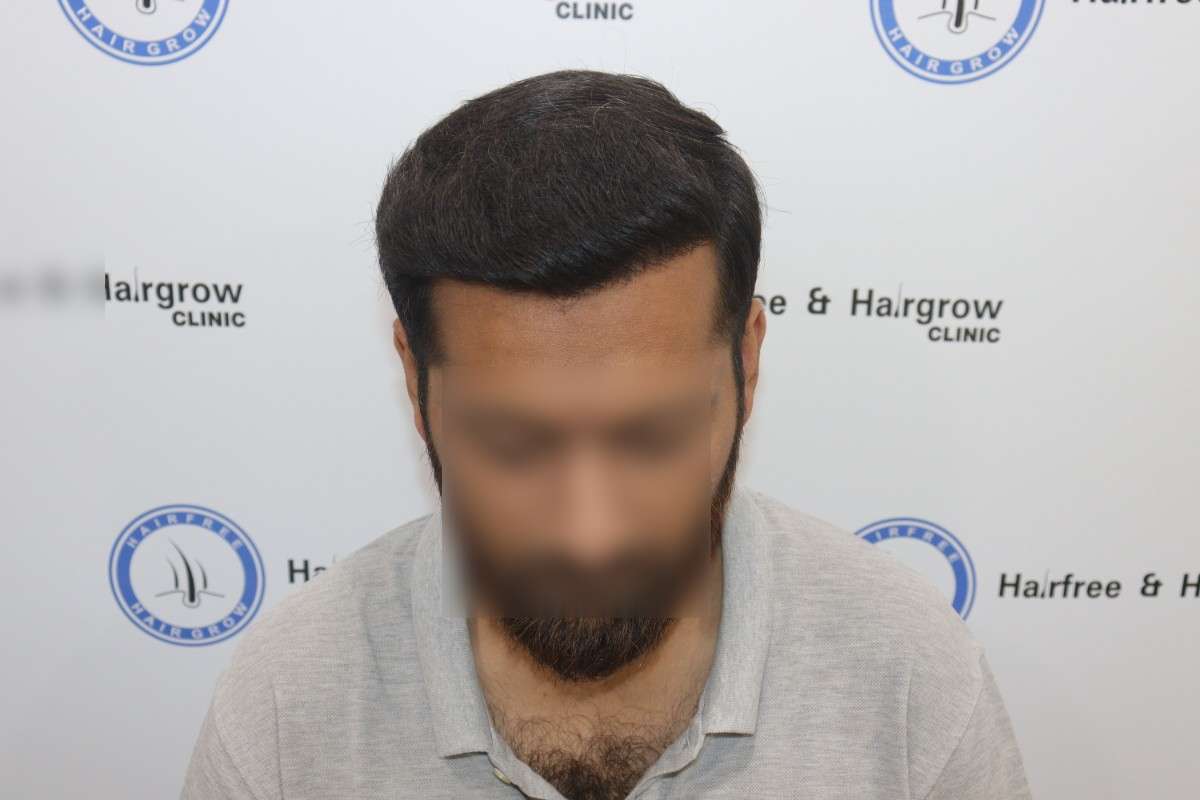
Hair loss can impact confidence and overall appearance, especially when it begins at a young age. This case study highlights the successful hair restoration journey of Akram Tailor, who chose a scientifically planned solution to regain his natural hairline.
Patient Overview
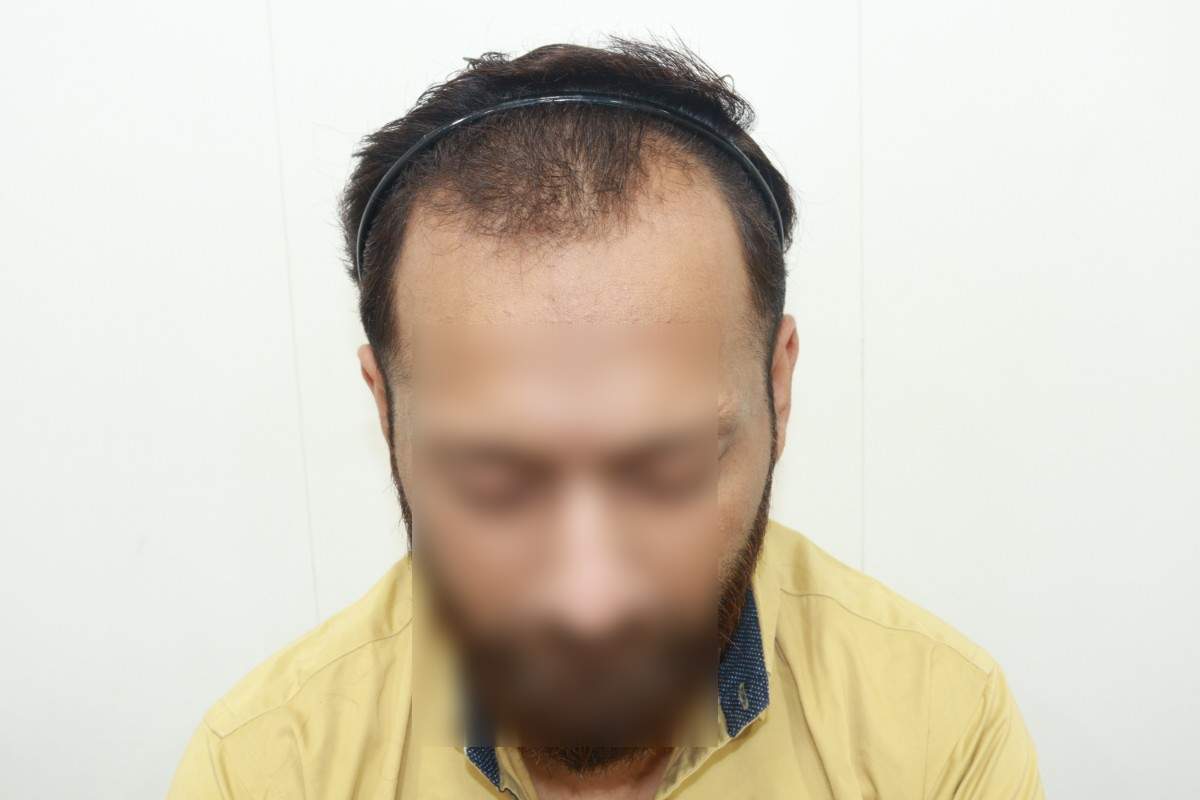
Akram Tailor, a 30-year-old resident of Surat, Gujarat, experienced progressive hair loss over several years. His initial concern started with a receding hairline, which gradually advanced into visible baldness in the frontal scalp region.
At the time of consultation, he presented with Grade 3 pattern baldness, primarily affecting the front hairline, while the mid-scalp and crown areas showed only mild thinning that did not require surgical intervention.
Hair Loss Background
- Duration: Approximately 4–5 years
- Pattern: Receding hairline progressing to frontal baldness
- Current condition: Stable hair loss with mild active shedding
- Additional issue: Mild dandruff with occasional scalp irritation
Akram also had a family history of baldness, indicating a genetic predisposition to androgenetic alopecia.
Medical Assessment
A detailed pre-surgical evaluation confirmed the following:
- No history of chronic illnesses such as diabetes, hypertension, or asthma
- No known allergies to medications or food
- No prior surgical complications or keloid tendencies
- Blood investigations within normal limits
These factors made him an ideal candidate for a safe and effective hair transplant procedure.
Previous Treatments
Before opting for surgery, Akram had tried alternative remedies, including Ayurvedic oils. However, he did not observe any significant improvement, leading him to seek a permanent and clinically proven solution.
Consultation & Treatment Planning
During his consultation with a qualified hair restoration specialist, a comprehensive scalp analysis was performed. The doctor explained:
- Suitable transplant techniques
- Expected outcomes and limitations
- Long-term hair maintenance strategy
A customized treatment plan was created focusing on restoring the frontal hairline while preserving the existing hair.
Procedure Details
- Technique Used: Implanter FUE (I-FUE)
- Date of Procedure: February 16, 2021
- Total Grafts Implanted: 3400
The procedure was combined with a post-operative care plan including PRP (platelet-rich plasma) therapy, medications, and topical solutions to enhance results.
Step-by-Step Procedure
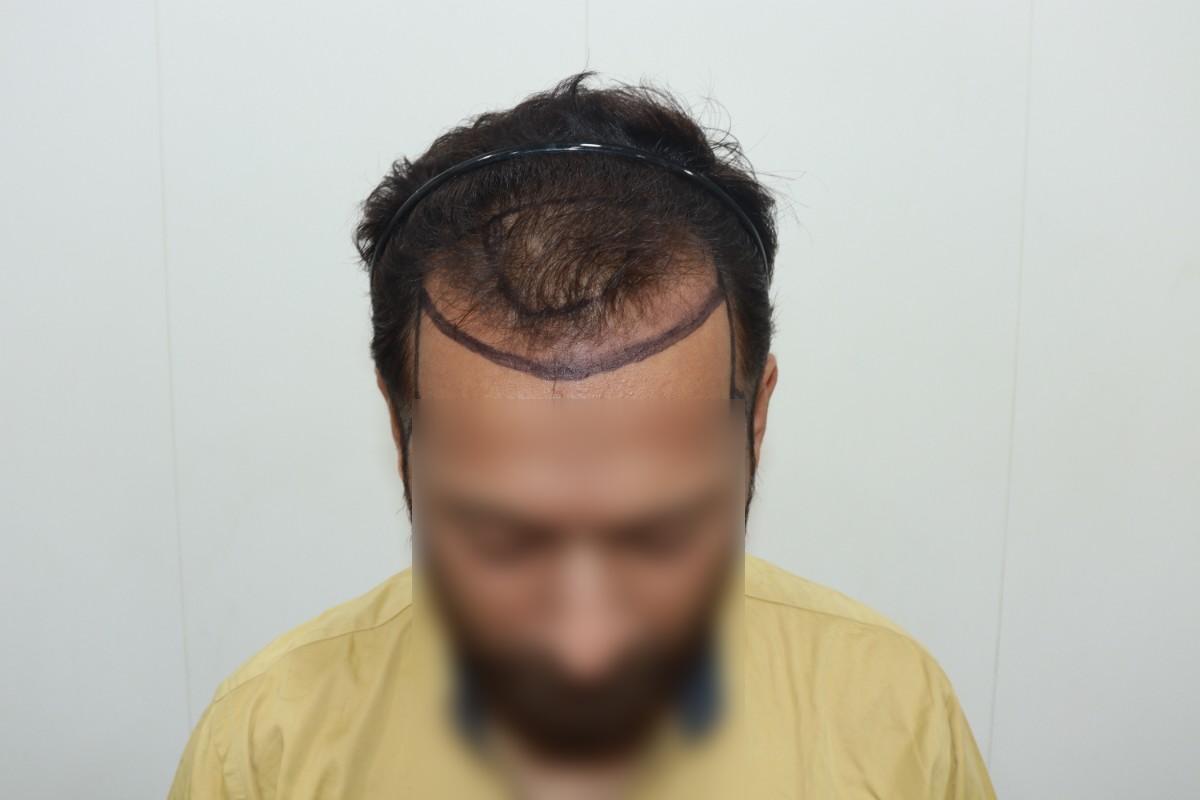
Hairline Design & Analysis
The frontal hairline was carefully designed to match Akram’s facial structure and age. Advanced trichoscopy confirmed strong donor hair quality—thick, dark, and suitable for transplantation.
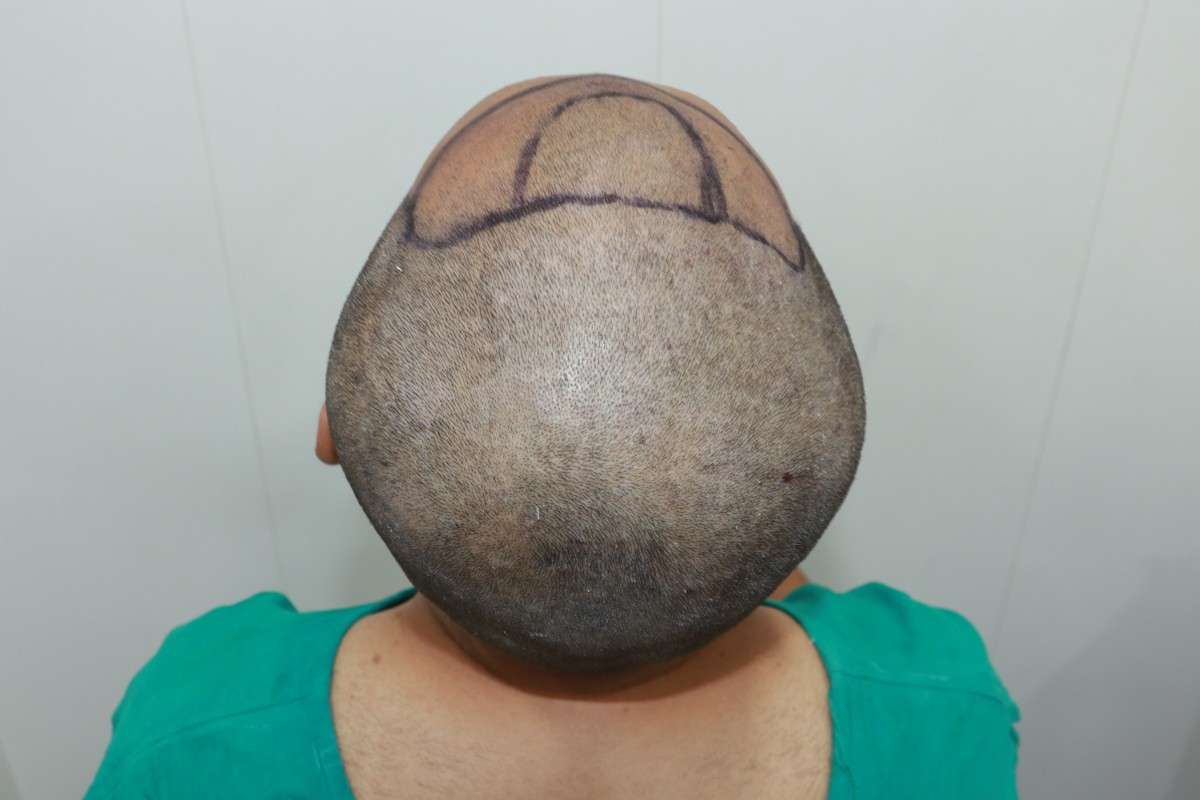
Donor Area Preparation
The scalp was prepared under sterile conditions. A sensitivity test ensured the patient had no reaction to anesthesia.
Anesthesia
Local anesthesia was administered using advanced techniques to ensure maximum comfort during the procedure.
Graft Extraction
Using a precision micro-punch tool, 3400 grafts were harvested from the donor area. The graft quality was excellent, with a high percentage of multi-hair follicular units, which contributed to better density.
Channel Creation
Tiny incisions were created in the recipient area using fine blades. The angle, depth, and direction were carefully controlled to ensure natural-looking results.
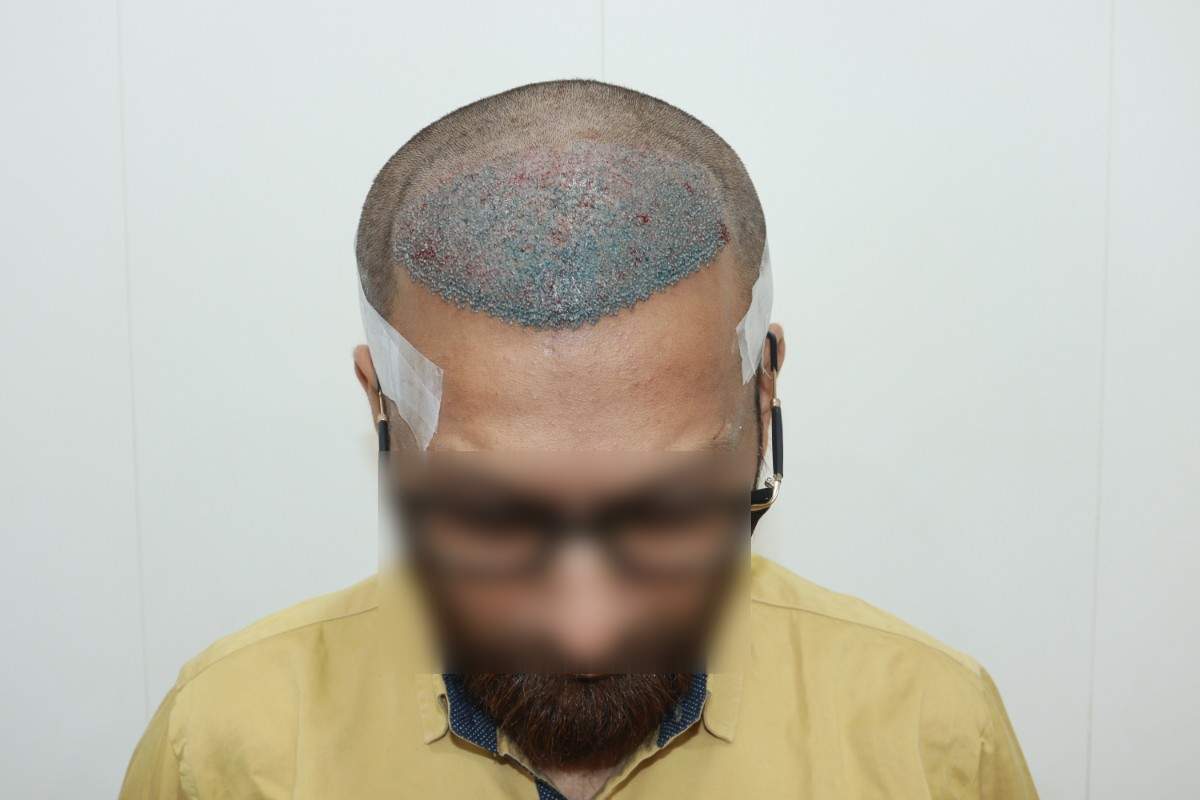
Implantation
The extracted grafts were implanted using implanter devices for accuracy and minimal trauma. This step played a crucial role in achieving proper density and natural growth patterns.
Post-Procedure Care
After the procedure:
- Medications were prescribed to prevent infection and discomfort.
- Detailed aftercare instructions were provided.
- A follow-up plan was established, including PRP sessions.
Recovery Timeline
Shedding Phase (0–3 Months)
It is normal for transplanted hair shafts to shed during the initial months. Around 60–70% shedding occurred, while the roots remained intact beneath the scalp.
Growth Phase (3–6 Months)
New hair growth began around the third month. Gradual improvement in density was observed, with significant visible changes by the sixth month.
Final Results (10–11 Months)
By the end of 10–11 months:
- Full hair growth was achieved.
- The hairline appeared natural and well-defined
- Hair thickness and density improved significantly
Akram was able to style his hair freely and reported a major boost in confidence.
Final Outcome
This case demonstrates how a well-planned hair transplant, combined with proper aftercare, can deliver long-lasting and natural results. Akram’s transformation not only improved his appearance but also positively impacted his self-esteem and social confidence.
Why Choose the Best Hair Transplant Clinic India?
Choosing the best hair transplant clinic in India ensures:
- Advanced techniques like I-FUE
- Experienced medical professionals
- Customized treatment planning
- High graft survival rate
- Natural and long-term results
Conclusion
Hair transplant is a reliable and effective solution for pattern baldness when performed by skilled experts. Akram Tailor’s journey is a testament to how modern hair restoration techniques can successfully reverse hair loss and restore confidence.