Medical Disclaimer
This case study is published strictly for educational and informational purposes. Hair transplant outcomes may vary depending on individual biological factors, genetic predisposition, scalp condition, and adherence to medical advice. This content does not substitute professional medical consultation.
Treating Clinic Details
-
Clinic Name: Hair Free and Hair Grow Clinics India
-
Specialty: Medical and surgical hair restoration
-
Clinical Focus: Hair transplant (FUE/I-FUE), PRP therapy, medical management of hair loss
-
Reputation: Widely recognized as a leading hair transplant clinic in India, offering dermatologist-led treatments based on ethical medical standards
Patient Demographics
-
Patient Identifier: Sufiyan Khan
-
Age at Treatment: 36 years
-
Sex: Male
-
Location: Surat, Gujarat, India
Clinical Diagnosis
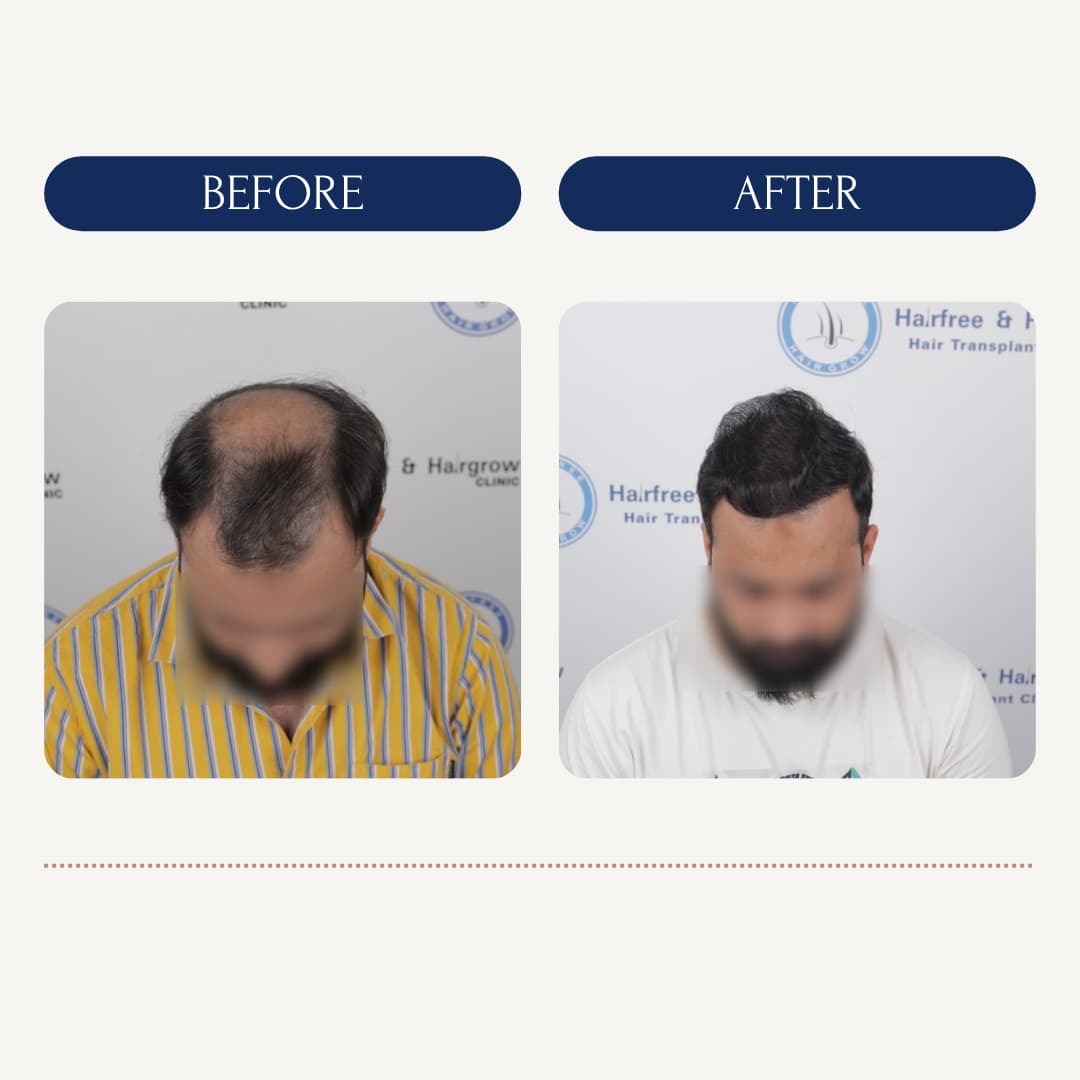
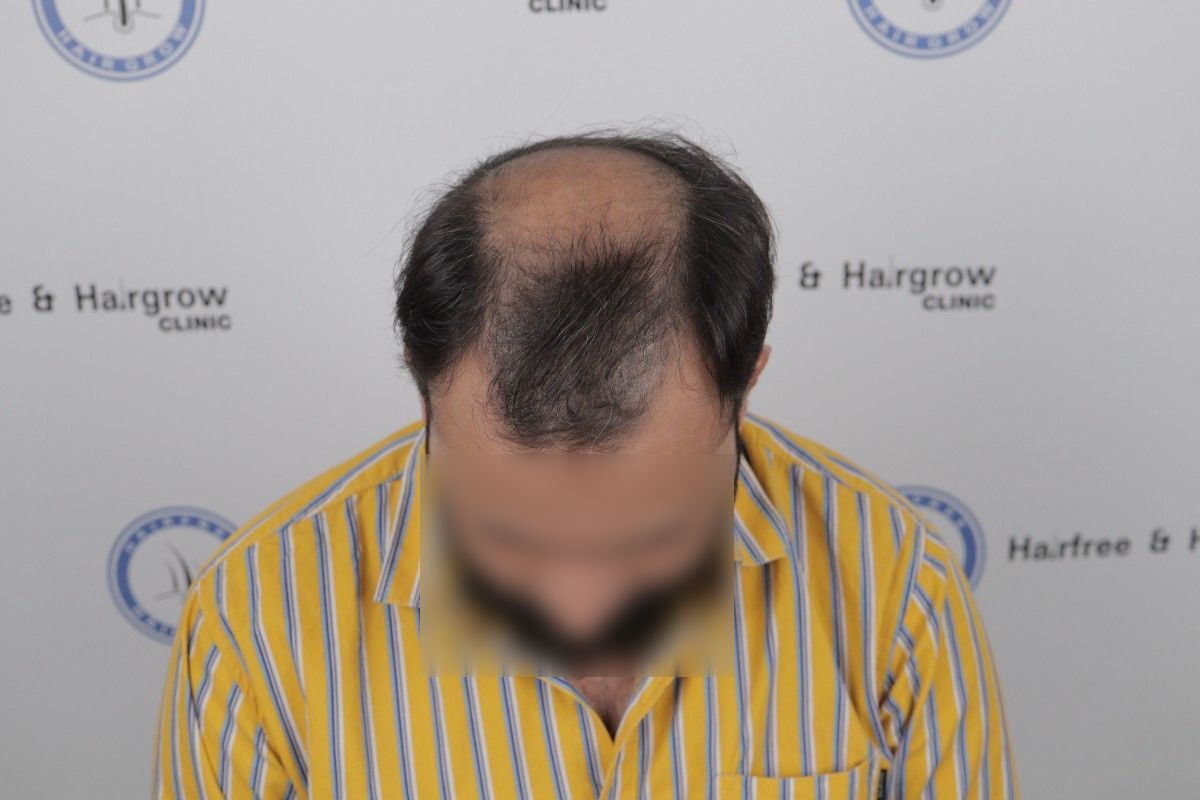
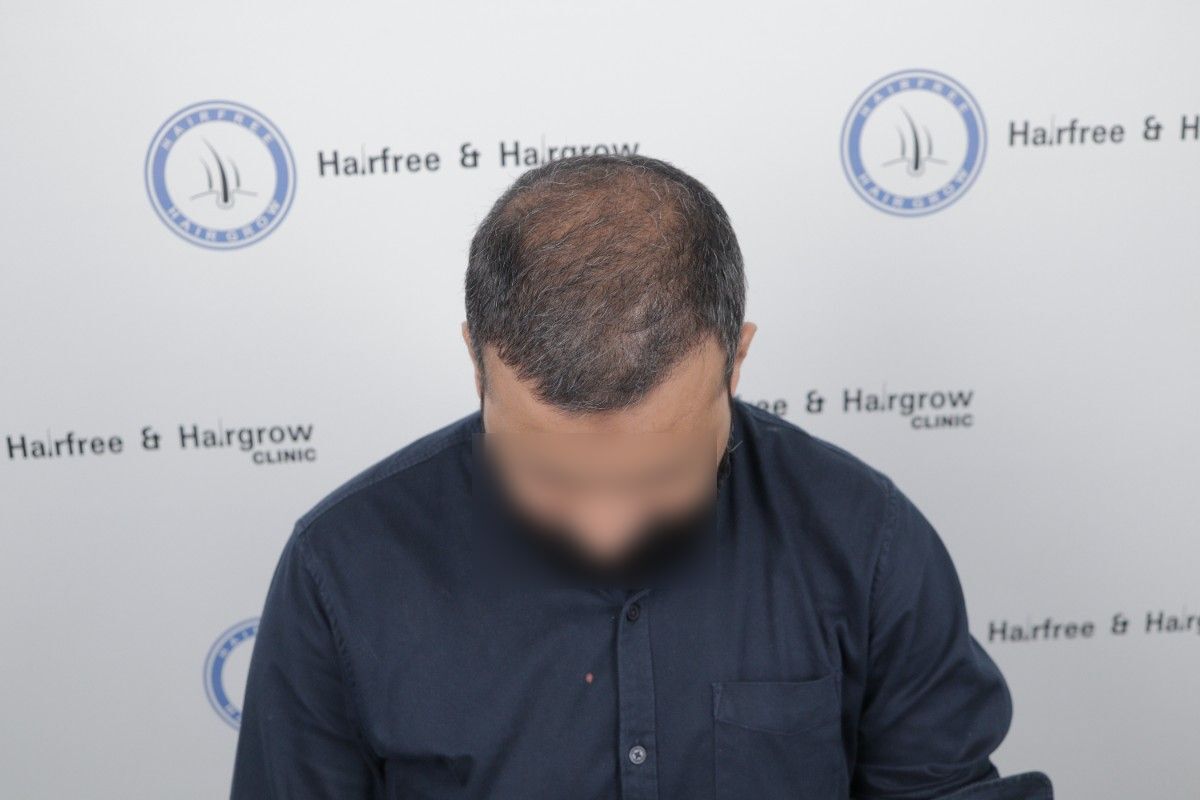
The patient was clinically diagnosed with androgenetic alopecia (male pattern hair loss), classified as Norwood Grade IV-A, following scalp examination and trichoscopic evaluation.
Hair Loss Timeline
-
Progressive hair thinning for approximately 6–7 years
-
Noticeable frontal recession and crown thinning for the past 4 years
Areas Involved
-
Complete frontal hairline recession
-
Reduced hair density in the frontal scalp
-
Thinning at the vertex (crown) region
Associated Scalp Findings
-
Mild scalp itching (pruritus)
-
Occasional follicular inflammation
-
No signs of active inflammatory or diffuse hair shedding
Medical and Family History
-
Family history: Positive maternal history of androgenetic alopecia
-
Systemic health: No known diabetes, hypertension, asthma, or chronic illness
-
Surgical history: No prior major surgeries
-
Allergy history: No known drug or food allergies
-
Keloid tendency: Absent
Prior Hair Loss Treatment
Before surgical consideration, the patient had undergone:
-
Topical minoxidil therapy
-
Oral nutritional supplementation
These measures offered short-term stabilization but did not prevent continued hair loss progression.
Specialist Consultation and Ethical Counseling
The patient was evaluated at Hair Free and Hair Grow Clinics India – Surat Branch by:
- Dr. Jinkal Kunjadiya, MD (Dermatology)
Consultant Dermatologist and Hair Transplant Specialist
Pre-Treatment Evaluation Included:
-
Detailed scalp and hair examination
-
Digital trichoscopy to assess donor density and follicular quality
-
Counseling regarding:
-
Surgical technique and alternatives
-
Expected outcomes and limitations
-
Potential risks and post-procedure care
-
-
Informed written consent obtained
Treatment Protocol Summary
-
Procedure Performed: I-FUE (Advanced Follicular Unit Extraction)
-
Surgery Dates: 24–25 January 2023
-
Total Grafts Transplanted: 4,312 follicular units
-
Adjunctive Medical Therapy:
-
Five PRP (Platelet-Rich Plasma) sessions over one year
-
DHT-modulating medication
-
Topical Minoxidil
-
Oral micronutrient supplementation
-
These treatments were prescribed to support graft survival and long-term hair retention.
Surgical Technique Overview
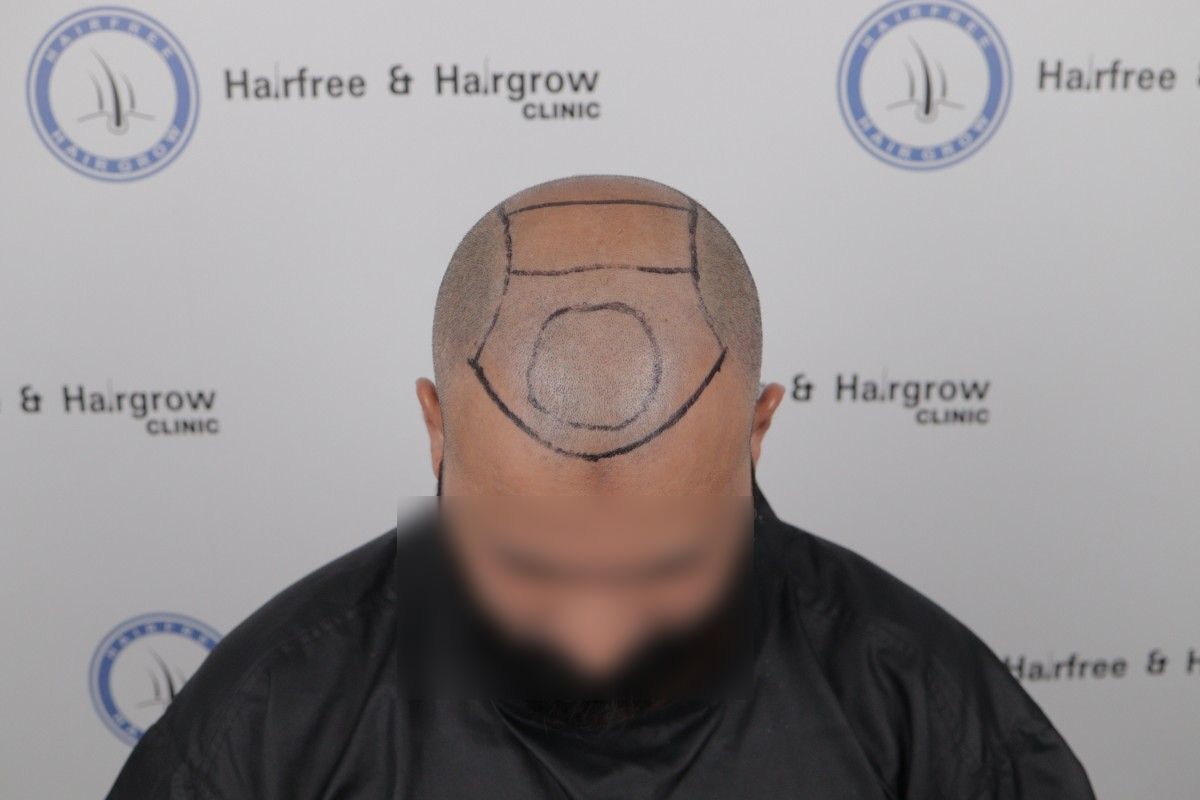
Preoperative Planning
-
Customized hairline design based on age, facial proportions, and patient expectations
-
Recipient zones mapped from the frontal scalp to the crown
-
Local anesthetic sensitivity test performed
Anesthesia and Surgical Preparation
-
Local modified block anesthesia was administered
-
Strict aseptic and safety protocols followed
-
Complete scalp shaving and antiseptic preparation
Recipient Site Creation
-
Precision slit creation using metal blades:
-
1.2 mm for frontal hairline
-
1.4 mm for mid-scalp and crown
-
-
Slit angulation aligned with natural hair growth patterns
Donor Area Harvesting
-
Follicular units extracted using a 0.8 mm serrated titanium punch
-
Optical magnification is used to minimize follicular damage
Extraction Summary
-
Day 1: 3,500 grafts (~120 minutes)
-
Day 2: 812 grafts (~35 minutes)
Graft Composition
-
~20% single-hair grafts
-
~80% multi-hair grafts
-
An adequate number of triple-hair follicular units, enhancing density
Grafts were preserved in temperature-controlled Ringer’s Lactate solution.
Graft Implantation
-
Implantation performed using a K.E.E.P. implanter device
-
Total implantation time:
-
Day 1: ~2 hours
-
Day 2: ~1 hour
-
Post-Operative Care and Follow-Up
-
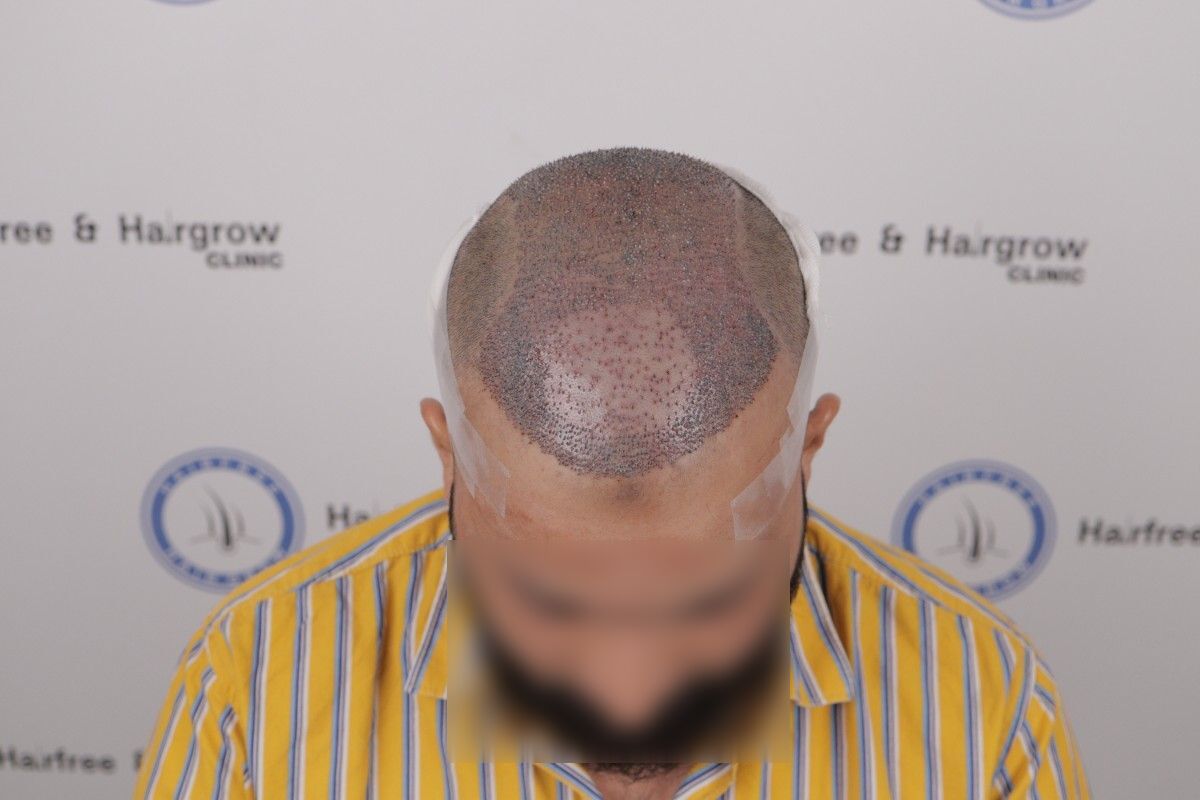
Sterile dressing applied
-
Medications prescribed as per protocol
-
Detailed postoperative instructions provided
-
Continuous follow-up support is ensured by the clinic team
Hair Growth Progression
Shedding Phase (0–3 Months)
-
Expected shedding of 60–80% of transplanted hairs
-
Two PRP sessions were administered
-
Existing hair showed improved stability.
-
The donor area healed within 30 days
Early Regrowth Phase (3–5 Months)
-
Gradual emergence of fine transplanted hairs
-
Third PRP session administered
-
Noticeable improvement in coverage
Active Growth Phase (6–9 Months)
-
Progressive thickening and length gain
-
Approximately 80% graft growth achieved
-
Booster PRP administered at 9 months
Final Clinical Outcome
-
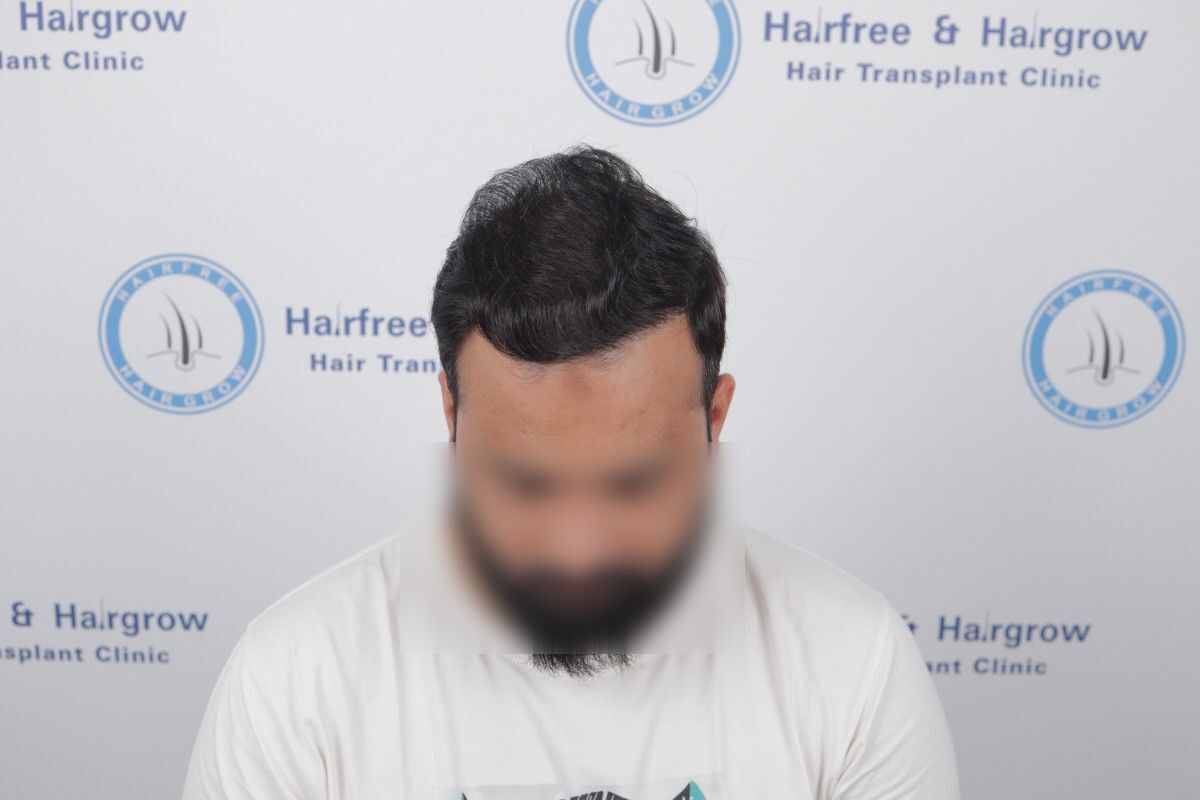
Final evaluation: 10 months post-procedure
-
Natural-looking hairline achieved
-
Uniform density from the frontal scalp to the crown
-
Donor area appearance remained normal
-
Patient resumed regular grooming and styling
Long-Term Maintenance Advice
-
Continued topical minoxidil use
-
PRP maintenance sessions if clinically indicated
-
Periodic dermatological follow-up
Patient-Reported Outcome
The patient expressed high satisfaction with the aesthetic result, procedural experience, and post-treatment support provided by Hair Free and Hair Grow Clinics India.
Educational Summary
Hair transplantation is a medically accepted treatment for androgenetic alopecia when performed by trained specialists. Proper patient selection, surgical expertise, and adherence to postoperative care significantly influence outcomes.
Considering Hair Transplant Treatment in India?
Individuals experiencing hair loss should seek evaluation from a qualified dermatologist or hair transplant specialist at a reputable center such as Hair Free and Hair Grow Clinics India, where treatments are guided by medical ethics and evidence-based practice.