Medical disclaimer: This case study is for educational purposes only. Results vary from person to person. Hair transplant is a medical procedure and should be performed only by a qualified dermatologist or hair transplant surgeon after proper evaluation.
This detailed case study explains the hair transplant journey of Rahul Pal, a 30-year-old male from Delhi, India, who underwent treatment for Grade 4–5 male pattern baldness. The goal of this article is to help readers understand the complete process from consultation to final results based on real clinical experience.
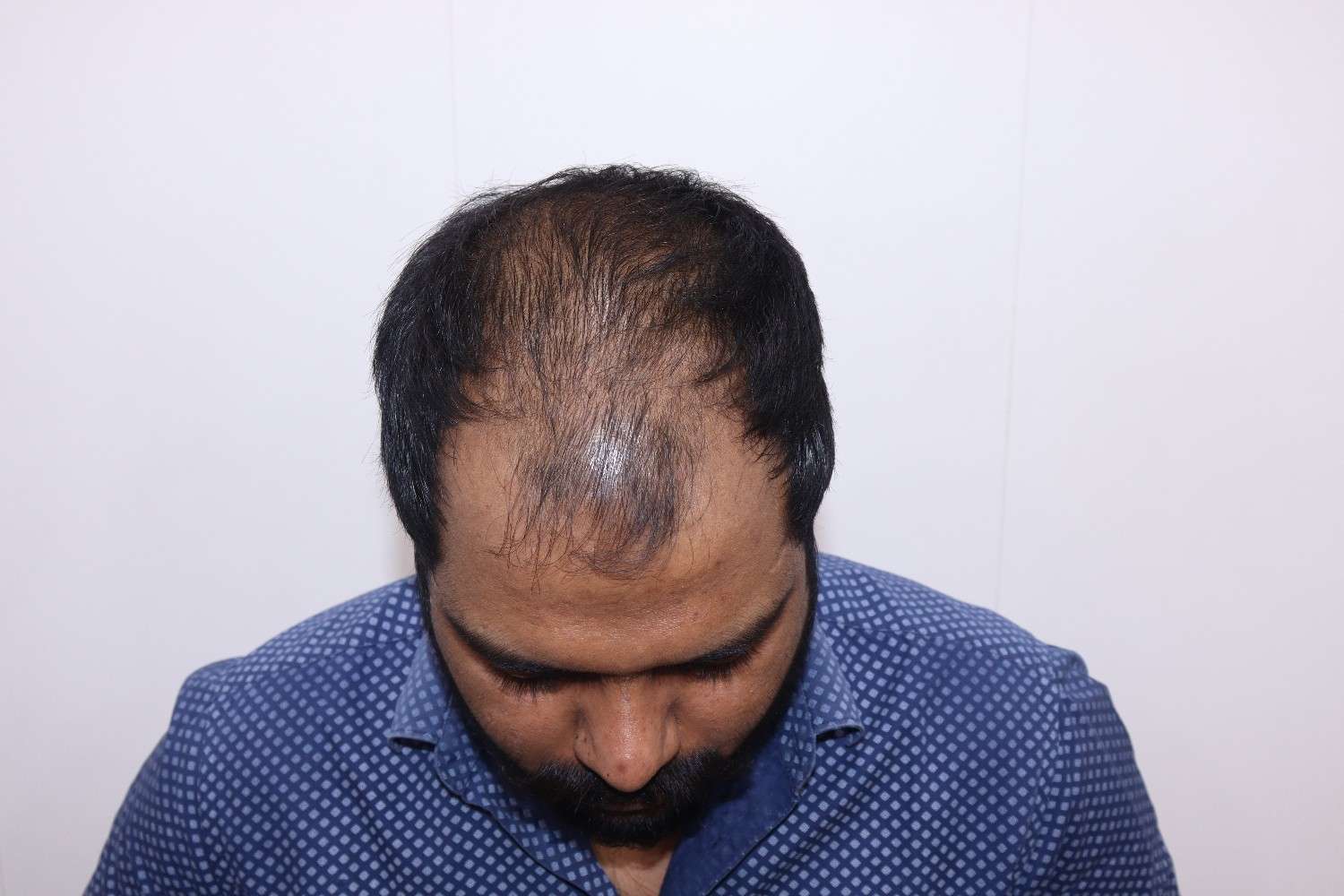
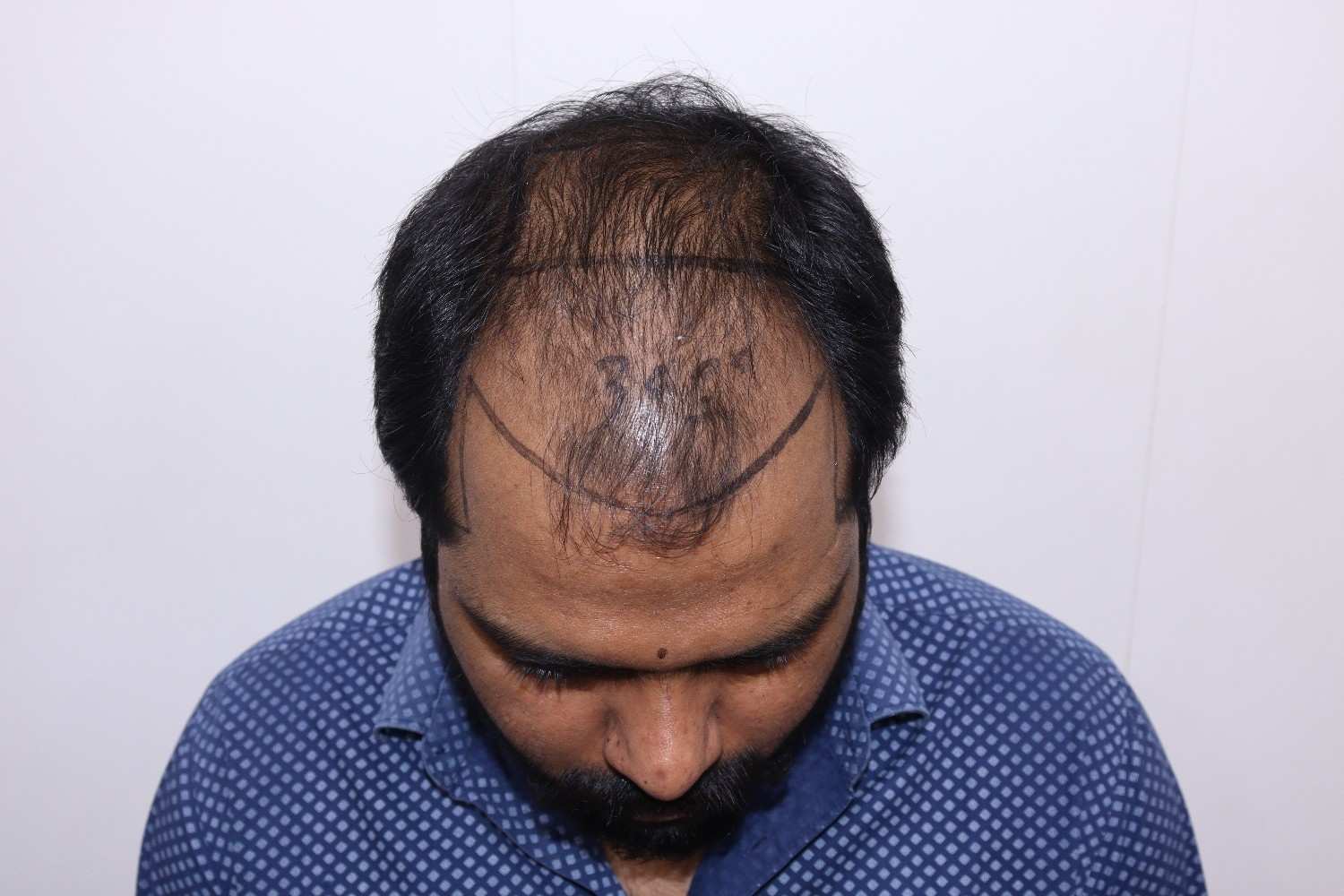
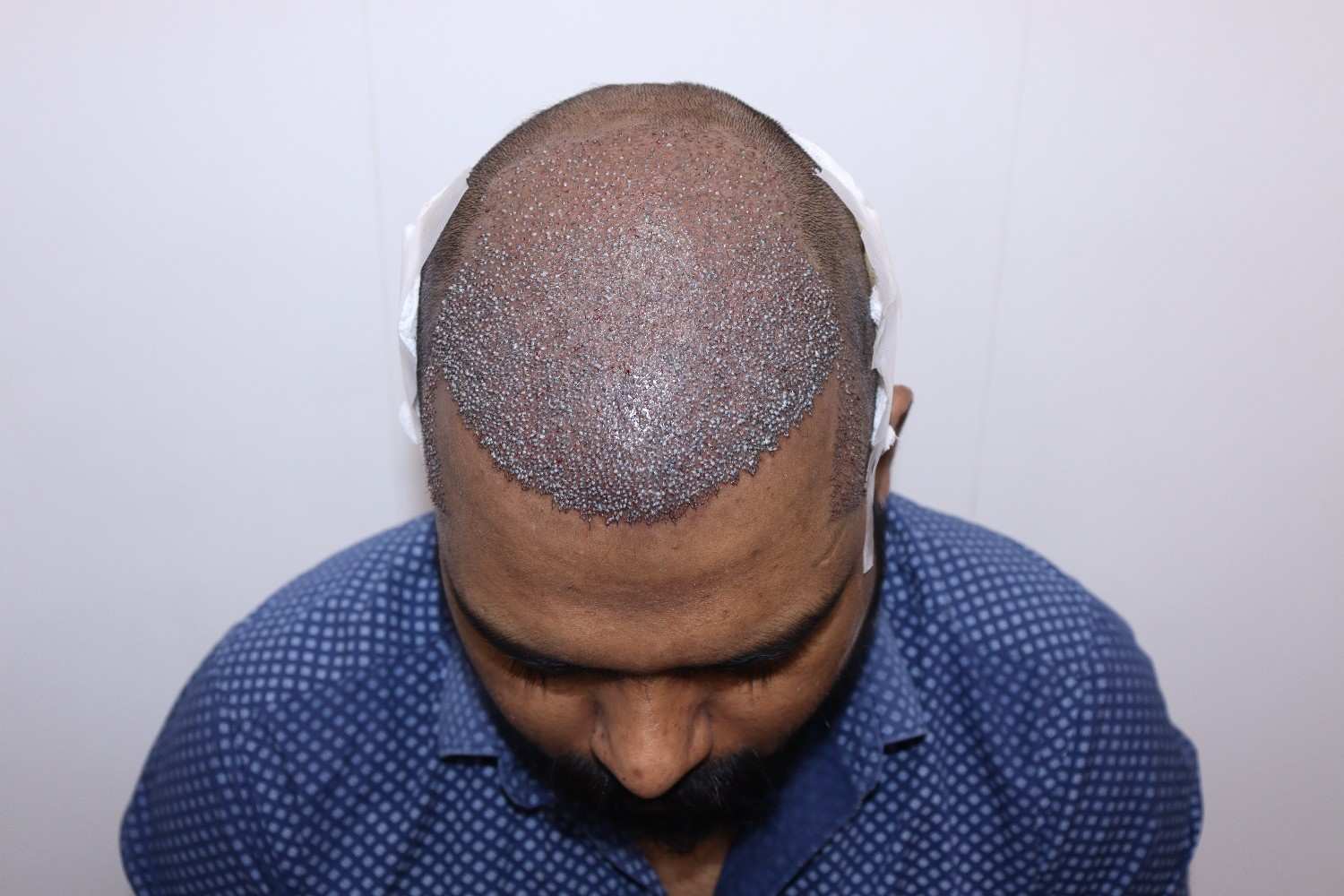

Patient Overview
-
Name: Rahul Pal
-
Age: 30 years
-
Location: Delhi, India
-
Condition: Grade 4–5 Androgenetic Alopecia (Male Pattern Baldness)
-
Duration of Hair Loss: 4–5 years
-
Visible Baldness: 2–3 years
Areas Affected
-
Complete loss of the frontal hairline
-
Thinning in the mid-scalp region
-
Visible thinning in the crown area
Associated Concerns
-
Mild dandruff
-
Occasional scalp pimples
-
No active aggressive hair fall at the time of surgery
Family History
His father has baldness, indicating a genetic predisposition to androgenetic alopecia.
Medical Background
-
No history of diabetes, hypertension, asthma, or systemic illness
-
No previous major surgeries
-
No known drug or food allergies
-
No history of keloid formation
Previous Treatments
Rahul had previously used:
-
Herbal remedies
-
Minoxidil
-
Multivitamins
He experienced mild short-term improvement, but progressive thinning continued over time.
Consultation & Clinical Evaluation
Rahul consulted at the Hairfree & Hairgrow Clinic, Surat branch, where he was evaluated by Dr. Brijesh Patel, a dermatologist experienced in hair restoration procedures.
Pre-Surgical Assessment Included:
-
Detailed scalp examination
-
Baldness grading
-
Trichoscopy analysis (donor and recipient assessment)
-
Donor area density evaluation
-
Hair shaft thickness analysis
-
Discussion of realistic expectations
After understanding the procedure, risks, recovery timeline, and expected outcomes, Rahul opted for surgical hair restoration.
Treatment Plan
-
Procedure Date: 26 March 2021
-
Technique Used: I-FUE (Implantable Follicular Unit Extraction)
-
Total Grafts Transplanted: 3,920
-
Post-Transplant PRP Sessions: 5 sessions over 1 year (at 2-month intervals)
-
Medical Maintenance:
-
Minoxidil 5% and 10%
-
DHT blocker (as advised)
-
Nutritional supplements
-
The combination approach was designed to:
-
Restore lost hairline and density
-
Improve thinning mid-scalp
-
Strengthen existing hair
-
Maintain long-term results
Step-by-Step Hair Transplant Procedure
1. Hairline Planning & Design
Hairline design is one of the most critical steps in achieving natural results.
-
Customized hairline created according to facial proportions
-
Frontal and temple areas carefully marked
-
Mid-scalp region planned for density refilling
-
Trichoscopy confirmed healthy donor reserves
An anesthesia patch test was performed to rule out allergic reactions.
The scalp was shaved and sterilized before surgery.
2. Local Anesthesia
A modified local block anesthesia technique was used to ensure:
-
Minimal discomfort
-
Pain-controlled procedure
-
Patient safety
3. Recipient Area Slit Creation
Slits were created using:
-
1.2 mm blade for hairline (for a softer, natural look)
-
1.4 mm blade for mid-scalp and crown
-
Magnification (loupe) for precision
The correct angle, direction, and depth were maintained to ensure a natural hair growth pattern and proper density.
4. Graft Harvesting (Donor Area)
-
Instrument used: 0.8 mm sharp serrated sterile titanium punch
-
Magnification-assisted extraction
-
Time taken: 140–160 minutes
Graft Analysis
-
Thick, dark black hair shafts
-
20% single follicular unit grafts
-
80% double- and multi-root grafts
-
A good number of 3-hair grafts (favorable for density)
Total Grafts Extracted: 3,920
Thin grafts from the lower donor belt were selectively used for:
-
Natural hairline
-
Temple reconstruction
Grafts were preserved in chilled Ringer Lactate (RL) solution to maintain viability.
5. Implantation Phase
Implantation was performed using K.E.E.P. implanters of different sizes, based on the graft type (1, 2, or 3 hair units).
-
Approximate implantation time: 3 hours
-
Uniform density distribution
-
Focus on the natural hairline transition
After completion:
-
Dressing applied
-
Post-operative medications prescribed
-
Detailed aftercare instructions provided
-
Follow-up schedule explained
Post-Transplant Recovery Timeline
Understanding the recovery phases helps set realistic expectations.
Phase 1: Shedding Phase (0–3 Months)
-
Around 50–60% of transplanted hairs shed (normal process)
-
2 PRP sessions given
-
Existing hair in the mid-scalp and crown responded well
-
The donor area healed within 30 days
-
Donor density appeared normal by 2–3 months
Phase 2: Early Growth (3–5 Months)
-
New “baby hairs” began to emerge.
-
3rd PRP session administered
-
Gradual improvement in density
-
Visible cosmetic improvement by month 5
Phase 3: Active Growth (6–9 Months)
-
Approximately 80% visible growth achieved
-
The hair thickening phase began
-
Booster PRP given at 9 months
-
The patient comfortably styled his hair.
Phase 4: Final Results (10–12 Months)
-
Natural-looking hairline
-
Improved frontal density
-
Better mid-scalp coverage
-
Enhanced crown appearance
-
No complications reported
Rahul resumed normal haircuts and styling routines with confidence.
Clinical Outcome
At 10 months post-procedure:
-
Stable growth
-
Good density
-
Healthy donor area
-
Patient satisfaction achieved
He was advised to:
-
Continue minoxidil as prescribed
-
Maintain scalp hygiene
-
Consider maintenance PRP if required
Key Learnings from This Case
-
Proper patient selection is essential.
-
Donor area quality directly impacts density.
-
Multi-root grafts improve cosmetic fullness.
-
PRP enhances growth and recovery.
-
Long-term medical maintenance supports sustainability.
Frequently Asked Questions (FAQ)
Is shedding after a hair transplant normal?
Yes. Shedding within the first 2–3 months is expected and temporary.
When do full results appear?
Most patients see significant improvement by 8–10 months. Final results are typically visible by 12 months.
Is a hair transplant permanent?
Transplanted hair is generally permanent, but existing hair may require ongoing medical support.
Conclusion
Rahul Pal’s case highlights how a well-planned I-FUE hair transplant combined with PRP therapy and medical maintenance can effectively treat Grade 4–5 baldness.
If you are considering hair transplant surgery, consult a qualified dermatologist or hair restoration specialist for proper evaluation and realistic expectations. Each case is unique, and treatment should always be personalized based on scalp condition, donor availability, and long-term planning.