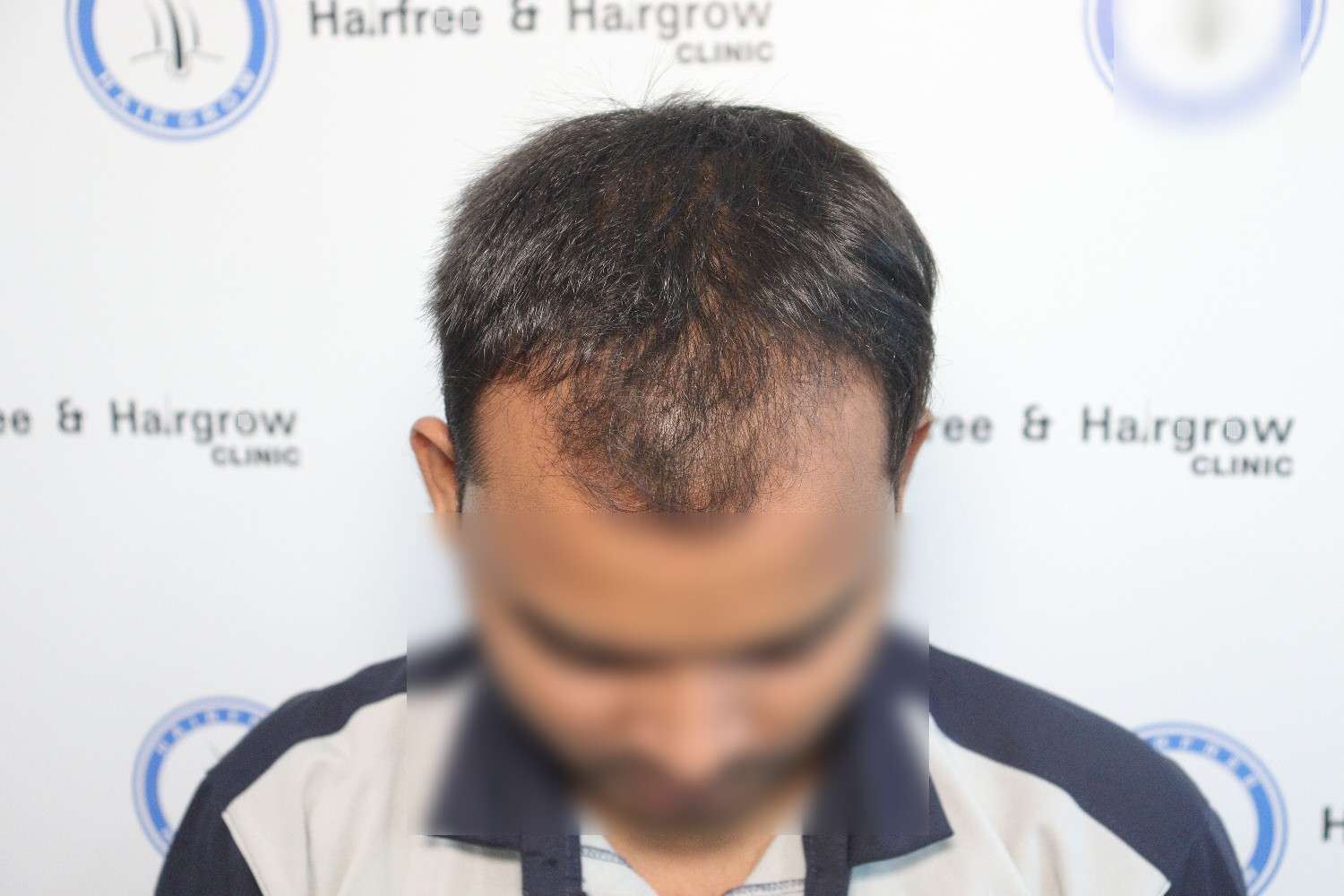
Hair loss is a common concern among young men in India. Many people start losing hair in their early twenties due to genetics, stress, hormonal changes, or lifestyle factors. While medications can slow hair loss, in many cases, a hair transplant becomes the most effective and permanent solution.
In this article, we present the real hair transplant journey of our patient, Dilip Dasari, who underwent treatment at Hairfree Hairgrow Clinic. This case study describes his condition, treatment process, recovery stages, and outcomes at 12 months.
We aim to help people understand what actually happens during a hair transplant and what results they can realistically expect.
Patient Profile
-
Name: Dilip Dasari
-
Age: 29 years
-
Location: Telangana, India
Hair Loss History
Dilip started experiencing hair fall about 6–7 years ago. At first, the hair loss was mild, but gradually it started affecting his hairline.
Over the past 3–4 years, he noticed:
-
Receding hairline
-
Hair thinning in the front area
-
Hair loss near the temple regions
-
Mild thinning in the middle scalp
At the time of consultation, his hair loss condition was classified as Grade 3 male pattern baldness.
Family History of Hair Loss
Hair loss in Dilip’s case was largely genetic.
His father also has baldness, which indicates a strong chance of androgenetic alopecia (male pattern baldness).
Genetic hair loss is very common and usually progresses gradually if not treated properly.
Medical History
Before planning any hair transplant, we always evaluate the patient’s medical condition.
Dilip did not have any major medical issues, such as
-
Diabetes
-
High blood pressure
-
Asthma
-
Thyroid problems
-
Other chronic diseases
He also had:
-
No allergy history
-
No previous surgeries
-
No keloid tendency
This made him a suitable candidate for a hair transplant procedure.
Previous Hair Loss Treatments
Before deciding on a hair transplant, Dilip tried some medical treatments, including:
-
Minoxidil solution
-
Multivitamin supplements
Initially, he noticed mild improvement, but after some time, the results stopped improving. The hairline continued to recede.
This is common because medications can slow hair loss, but they cannot always restore lost hairline areas.
Consultation at Hairfree Hair Growth Clinic
Dilip finally consulted Dr. Jinkal Kunjadiya, a dermatologist and hair transplant specialist at the Hairfree Hairgrow Clinic, Surat branch.
During the consultation:
-
A detailed hair and scalp analysis was performed.
-
His donor area density was examined.
-
The hair loss pattern was studied.
-
Possible treatment options were explained.
After evaluating his scalp condition, he was advised to undergo a hair transplant using the I-FUE technique.
Hair Transplant Treatment Details
-
Procedure Date: 8 April 2022
-
Technique Used: I-FUE (Improved Follicular Unit Extraction)
To support hair growth after the procedure, Dilip also received:
-
3 PRP (platelet-rich plasma) sessions
-
DHT blocker medications
-
Nutritional supplements
-
Minoxidil 5% and 10% solution
These treatments help in strengthening existing hair and improving transplanted hair growth.
Hair Transplant Procedure: Step-by-Step
Hair transplantation is a precise medical procedure that requires proper planning and skilled execution.
Below is how Dilip’s hair transplant was performed.
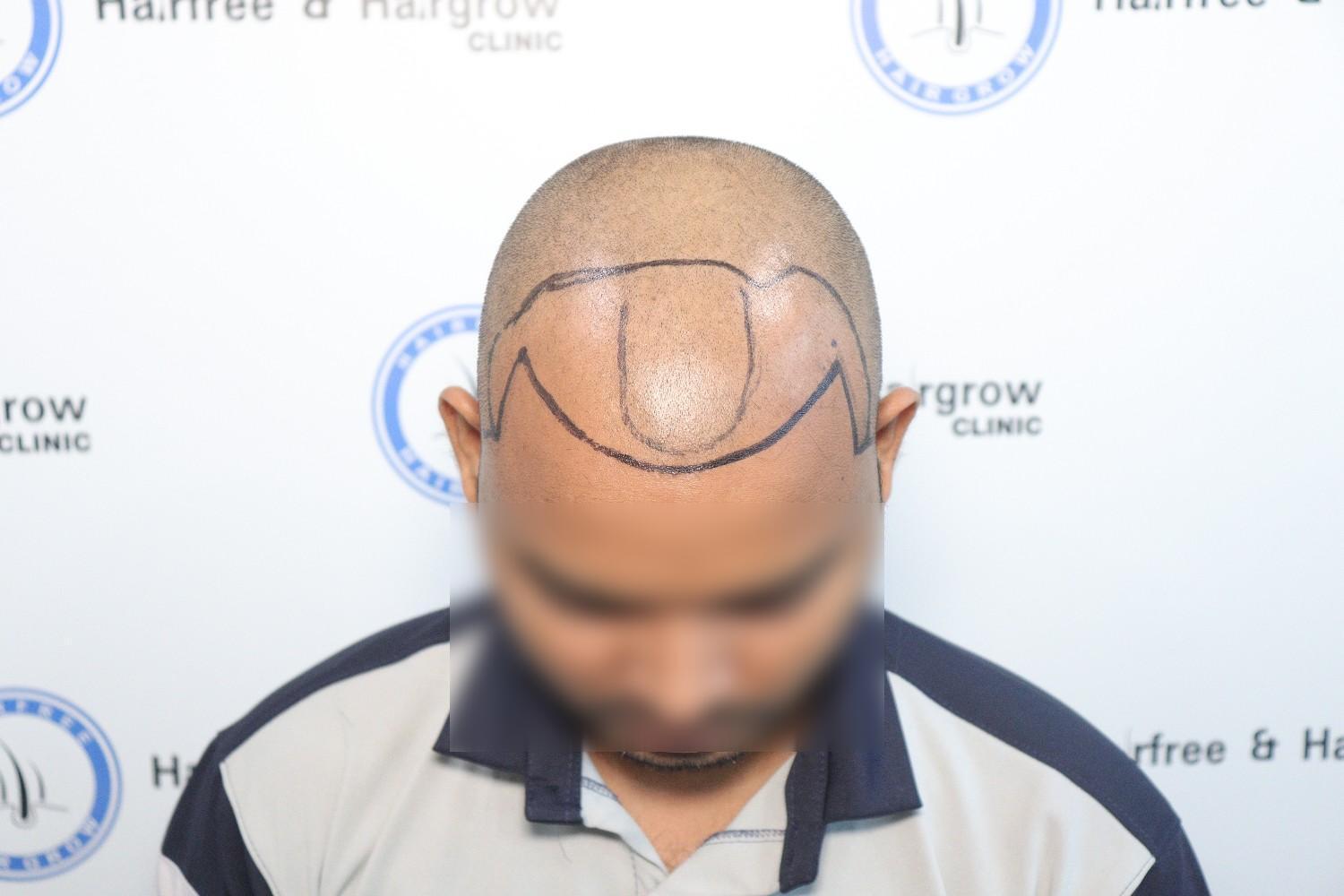
Step 1: Hairline Design and Planning
The first step was designing a natural-looking hairline.
Dr. Jinkal Kunjadiya carefully planned the hairline according to the following:
-
Facial structure
-
Age
-
Hair loss pattern
-
Patient’s expectations
The frontal and temple areas were marked for transplantation.
Step 2: Scalp Analysis
A trichoscopy analysis was performed to evaluate:
-
Donor hair density
-
Hair shaft thickness
-
Hair quality in the recipient area
Results showed:
-
Average donor density
-
Thin hair shafts
-
Straight black hair
Step 3: Anesthesia Test and Preparation
Before starting the procedure:
-
A local anesthesia sensitivity test was performed.
-
No allergic reaction was detected
-
The patient’s head was shaved.
-
The scalp was cleaned with Betadine antiseptic solution.
This ensures maximum hygiene and patient safety.
Step 4: Local Anesthesia
Dilip was then taken to the operation theater.
A modified local block anesthesia technique was used along with vibration pain-control technology, making the procedure comfortable and almost painless.
Step 5: Slit Creation in Recipient Area
Small incisions (slits) were created in the bald area using sapphire-tip blades.
Blade sizes used:
-
1.2 mm blade for hairline
-
1.4 mm blade for other areas
The angle, depth, and direction of slits determine how natural the final hair growth will appear.
This is one of the most critical steps in hair transplantation.
Step 6: Graft Extraction
Hair grafts were extracted from the donor area (back of the scalp) using the following:
-
0.8 mm sterile titanium punch
-
Magnifying loupe for precision
Extraction time: About 90 minutes
Graft Details
Total grafts extracted: 3081
Distribution:
-
15% single hair grafts
-
85% double and triple hair grafts
Hair characteristics:
-
Medium thickness
-
Black color
-
Mostly double follicular units
-
Fewer triple units
Step 7: Graft Preservation
The extracted grafts were carefully preserved at a 4°C temperature in a graft chiller machine.
They were stored in Ringer’s lactate (RL) solution, which helps maintain the health and survival of hair follicles.
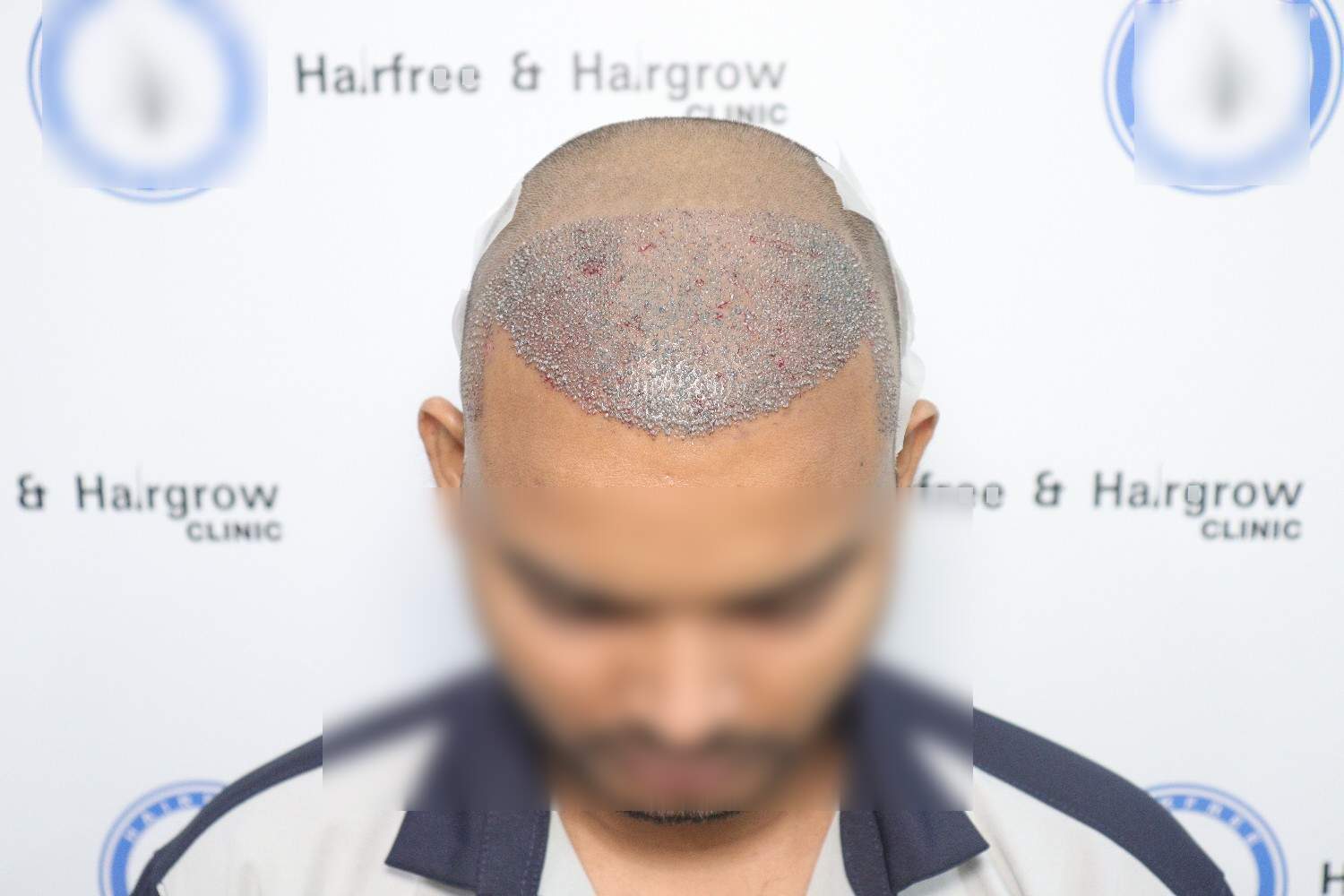
Step 8: Graft Implantation
Finally, the grafts were implanted into the prepared slits using K.E.E.P. implanter pens of different sizes.
Implantation time: Approximately 2.5 hours
This step ensures precise placement and natural hair direction.
Post-Procedure Care
After completing the hair transplant:
-
The scalp was dressed
-
Post-procedure medications were provided.
-
Detailed aftercare instructions were explained.
The patient was also given the doctor’s direct contact number for follow-up and support.
Recovery Journey After Hair Transplant
Hair transplant results appear gradually over several months. Dilip’s recovery followed the normal growth pattern.
1. Shedding Phase (First 2 Months)
In the first 2 months, around 70–80% of transplanted hairs shed.
This stage is called “shock loss” or “shedding phase,” and it is completely normal.
During this period:
-
Two PRP sessions were given
-
Existing mid-scalp hair responded well to treatment
-
Hair fall reduced significantly
The donor area healed completely within 30 days.
2. Baby Hair Growth Phase (3–4 Months)
New hair growth started around 3 to 4 months after the procedure.
At this stage:
-
Thin baby hairs begin to appear
-
Growth is slow but visible.
A third PRP session was given to boost growth.
By the 6th month, the scalp already started showing good improvement in density.
3. Active Hair Growth Phase (6–9 Months)
Between 6 and 9 months, transplanted hairs grow faster and become thicker.
At this stage:
-
About 90% of transplanted hairs had grown.
-
Hair length and density improved
-
Dilip could start styling his hair normally.
A booster PRP session was given at 9 months.
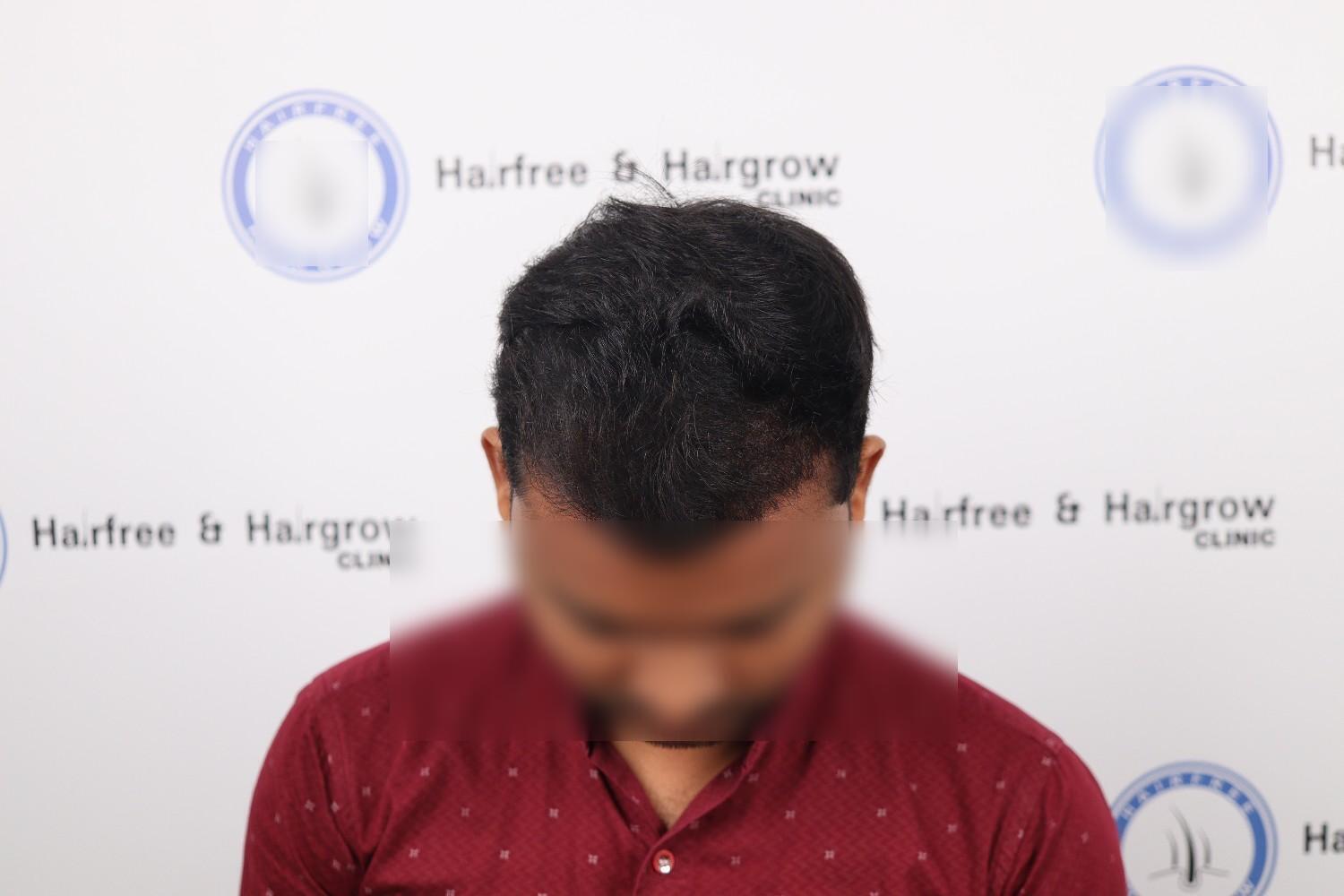
Final Hair Transplant Results (12 Months)
The final results were achieved after 12 months.
At this stage:
-
Hairline looked natural
-
Hair density improved significantly
-
The donor area looked normal
-
The patient could style their hair freely
Dilip had multiple haircuts during this time without any issues.
Currently, he continues:
-
Minoxidil for maintenance
-
PRP sessions in the future if needed
Patient Experience and Satisfaction
Dilip is very happy with his hair transplant results. The restored hairline has helped him regain confidence in social and professional life.
His case shows how a properly planned hair transplant can provide natural, long-lasting results. You can also watch his video testimonial, where he shares his experience in his own words.
Looking for the Best Hair Transplant Solution?
If you are experiencing:
-
Hairline recession
-
Hair thinning
-
Bald patches
-
Male pattern baldness
A professional hair analysis can help determine the best treatment option.
At Hairfree Hairgrow Clinic, our experienced doctors provide the following:
-
Detailed scalp diagnosis
-
Advanced hair transplant techniques
-
Personalized treatment plans
Contact our team today to schedule a consultation and start your hair restoration journey.