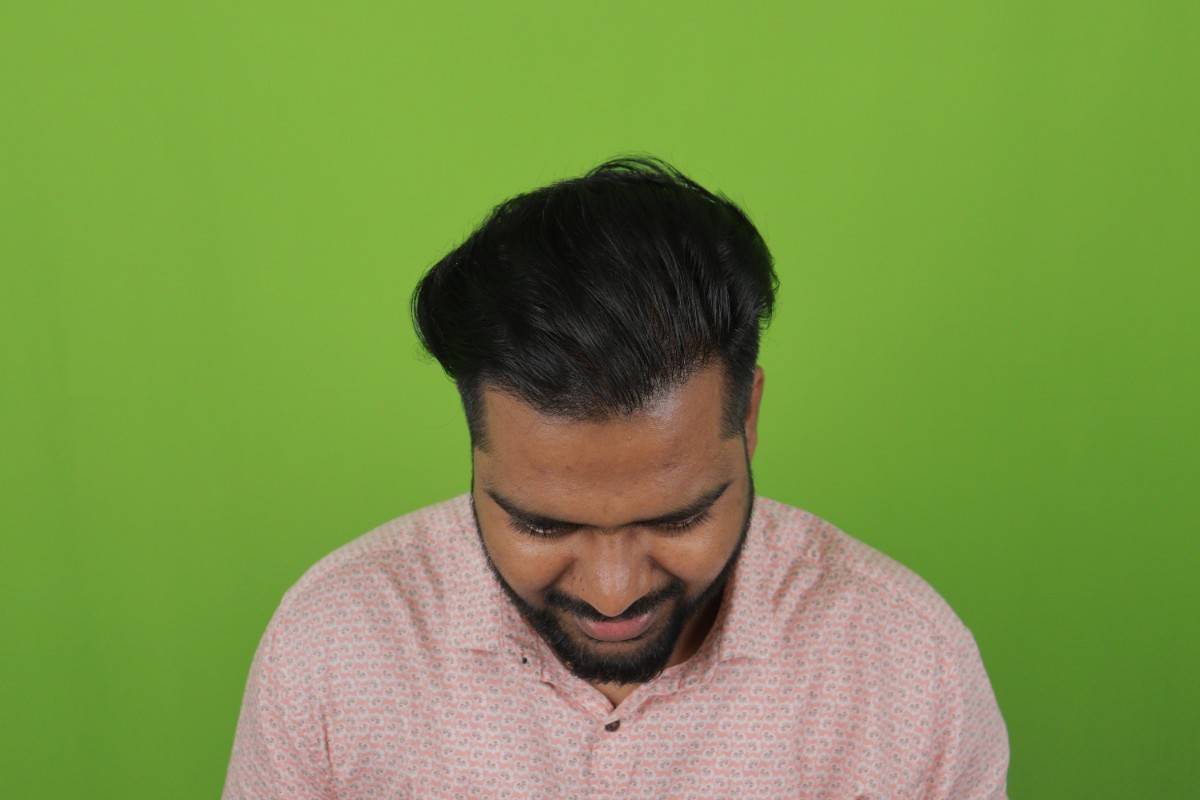
Hair loss is a common concern among men, especially when it begins at a young age. In this case study, we share the complete hair transplant journey of Rahul Pal, a 30-year-old patient who successfully restored his hairline and density with an I-FUE hair transplant procedure.
This article explains the patient profile, diagnosis, surgical procedure, graft details, and final results, giving you a real insight into how modern hair transplantation works.
Patient Profile
-
Patient Name: Rahul Pal
-
Age: 30 Years
-
Location: Delhi, India
Rahul visited our clinic with significant hair loss affecting his appearance and confidence. After a detailed consultation and scalp analysis, our medical team designed a customized hair restoration treatment plan.
Hair Loss History and Diagnosis
Duration of Hair Loss
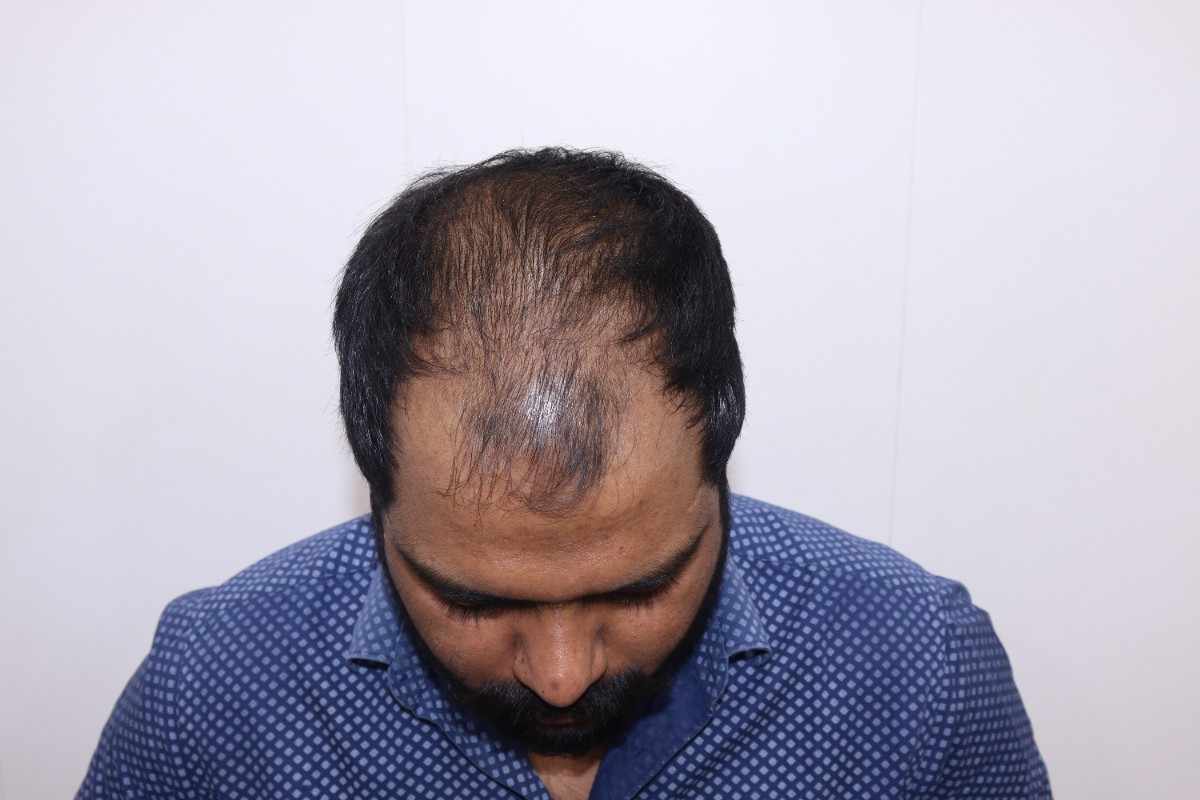
Rahul had been experiencing hair fall for 4–5 years. Over time, the hair loss progressed significantly, and he started noticing visible baldness 2–3 years ago.
At the time of consultation, he was diagnosed with grade 4–5 male pattern baldness (androgenetic alopecia).
Areas Affected
Clinical examination revealed:
-
Complete loss of the frontal hairline
-
Significant thinning in the mid-scalp
-
Visible hair thinning in the crown area
These areas required hairline reconstruction and density restoration through hair transplantation.
Other Scalp Conditions
During scalp examination, the following conditions were observed:
-
Mild dandruff
-
Occasional scalp pimples
-
No active or aggressive hair fall
These issues were mild and manageable with proper treatment.
Family History of Baldness
Rahul has a genetic predisposition to hair loss, as his father also suffers from male pattern baldness. This indicates androgenetic alopecia, which is one of the most common causes of hair loss in men.
Medical History
The patient was otherwise healthy and had no major medical conditions, such as
-
High blood pressure
-
Diabetes
-
Asthma
-
Thyroid disorders
This made him a suitable candidate for hair transplant surgery.
Surgical History
Rahul had no previous major surgical history, which further reduced surgical risks.
Allergy and Keloid History
Before the procedure, detailed history was taken.
-
No food or medicine allergies
-
No history of keloid formation
-
No skin healing disorders
This confirmed that the patient was safe for hair transplant surgery.
Previous Hair Loss Treatments
Before opting for hair transplantation, Rahul had tried several treatments, including:
-
Herbal remedies for hair fall
-
Medical therapy with minoxidil
-
Nutritional supplements and multivitamins
Although he experienced mild improvement initially, the results were temporary and did not significantly stop the progression of baldness.
Eventually, he decided to explore a permanent hair restoration solution.
Consultation at Hairfree & Hairgrow Clinic
Rahul consulted Dr. Brijesh Patel, a well-known dermatologist and hair transplant surgeon at the Hairfree & Hairgrow Clinic, Surat.
During the consultation:
-
Detailed scalp analysis and trichoscopy were performed.
-
Donor area density and hair quality were assessed.
-
Hairline design and graft estimation were planned.
-
The entire hair transplant procedure and recovery timeline were explained.
After understanding the treatment plan and expected results, Rahul decided to proceed with the hair transplant surgery.
Hair Transplant Treatment Plan
Rahul underwent a hair transplant procedure on 26 March 2021 using the I-FUE (Improved Follicular Unit Extraction) technique.
Post-Transplant Treatment Protocol
To improve the results and maintain existing hair, he was advised:
-
5 PRP therapy sessions at 2-month intervals
-
DHT blocker medication
-
Hair supplements
-
Minoxidil 5% and 10% topical solutions
Patients often travel from different cities to seek treatment from experienced specialists when searching for the best hair transplant clinic in India, and expert consultation plays a key role in achieving natural results.
Step-by-Step Hair Transplant Procedure
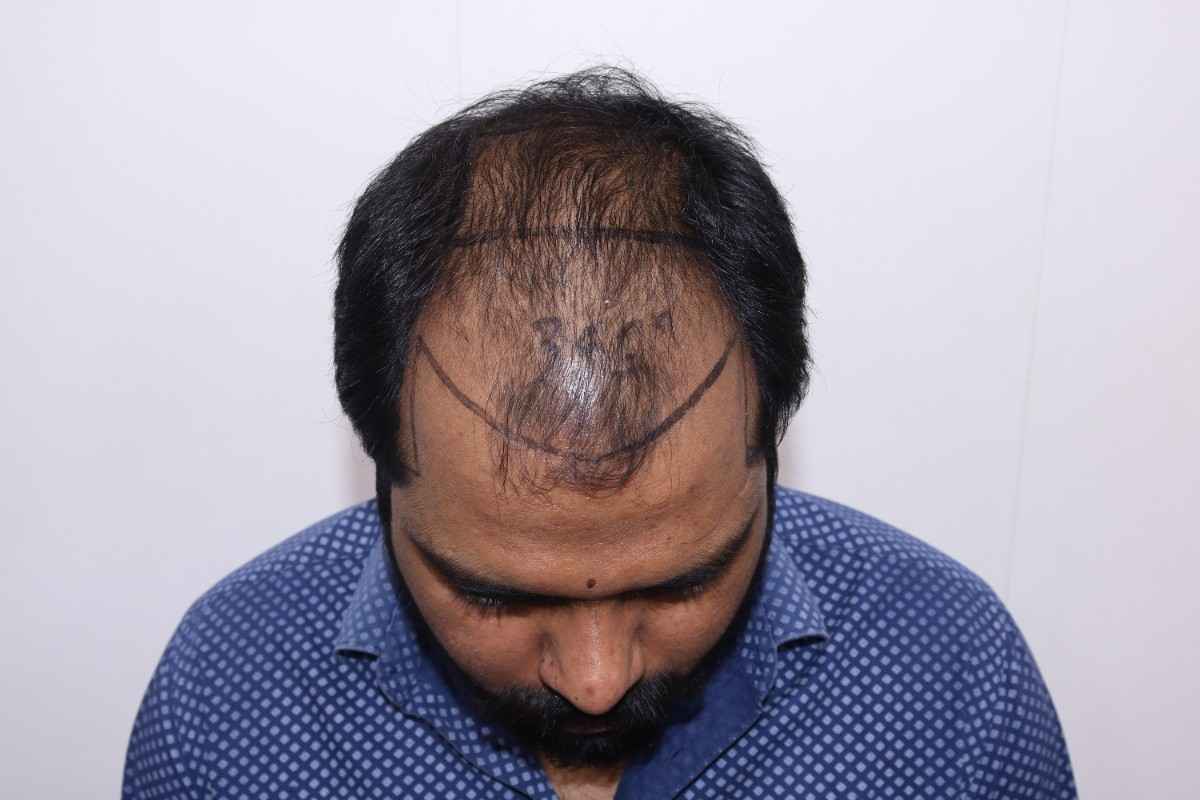
Hairline Planning and Design
Hairline design is the most critical step in achieving natural-looking hair transplant results.
Dr. Brijesh Patel carefully designed Rahul’s
-
Frontal hairline
-
Temple areas
-
Mid-scalp density zone
The design was customized according to the patient’s face shape, age, and future hair loss pattern.
Trichoscopy and Donor Area Analysis
A detailed trichoscopy examination was performed to Evaluate:
-
Donor area density
-
Hair shaft thickness
-
Quality of existing hair in the recipient area
This helps surgeons plan the number of grafts required for optimal density.
Anesthesia Safety Test
Before surgery, a skin sensitivity patch test was performed to check for reactions to anesthesia. The patient showed no allergic response, confirming safety for the procedure.
Pre-Surgery Preparation
Before entering the operation theater:
-
The patient’s head was shaved.
-
The scalp was disinfected using betadine and alcohol.
-
Sterile surgical preparation was completed.
Local Anesthesia
The procedure was performed under local modified block anesthesia using a painless technique, ensuring the patient remained comfortable throughout the surgery.
Slit Creation in the Recipient Area
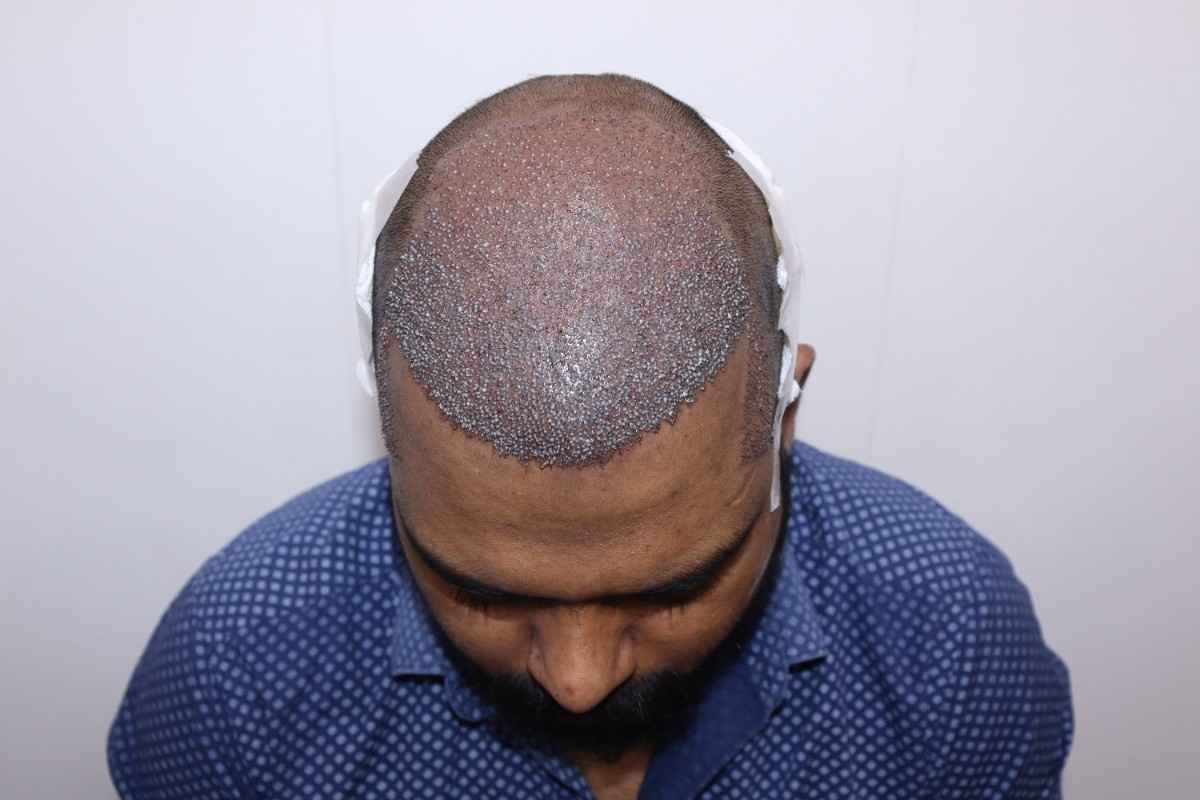
Slits were created in the recipient area using precision metal blades.
Blade sizes used:
-
1.2 mm for hairline
-
1.4 mm for mid-scalp areas
The proper angle and direction of slits are extremely important because they determine the natural direction, density, and final appearance of transplanted hair.
Donor Graft Extraction
Hair follicles were extracted from the donor area using:
-
0.8 mm sharp serrated titanium punch
-
Magnifying surgical loupe for accuracy
The extraction process took approximately 140–160 minutes.
Graft Analysis
Rahul’s donor hair characteristics were excellent:
-
Thick hair shafts
-
Dark black hair color
-
High number of multi-hair grafts
Graft Distribution
-
20% single hair grafts
-
80% multiple hair grafts
He also had a good number of 3-hair follicular units, which significantly improves hair density.
Total Number of Grafts
A total of 3920 grafts were extracted from the donor area.
These grafts were stored in a chilled tray containing RL solution to maintain graft survival until implantation.
Hair Implantation
The extracted grafts were implanted into the recipient area using K.E.E.P. implanters.
Different implanter sizes were used for:
-
Single hair grafts
-
Double hair grafts
-
Triple hair grafts
The implantation process took approximately 3 hours.
Immediate Post-Procedure Care
After the surgery:
-
The scalp was dressed
-
Post-transplant medications were prescribed.
-
Detailed aftercare instructions were provided.
-
The patient was given the doctor’s contact number for any assistance.
Hair Transplant Recovery Timeline
Shedding Phase (First 3 Months)
During the first three months, Rahul experienced the normal shedding phase, where around 60% of transplanted hairs fall out.
This is a natural process and part of the hair growth cycle after transplantation.
During this period:
-
2 PRP sessions were performed.
-
Existing hair in the mid-scalp and crown responded well.
-
Hair fall of native hair reduced significantly
The donor area healed completely within 30 days.
Baby Hair Growth Phase (3–5 Months)
After 3–4 months, new baby hairs started growing from transplanted follicles.
During this phase:
-
The 3rd PRP session was administered.
-
Hair density gradually improved
By the 5th month, visible hair growth was noticeable.
Active Hair Growth Phase (6–9 Months)
At around 6–7 months, the transplanted hair entered the active growth phase.
During this time:
-
Approximately 80% of transplanted hair grew.
-
The patient was able to style his hair and get regular haircuts.
A booster PRP session was performed at the 9-month mark.
Final Hair Transplant Results (10 Months)
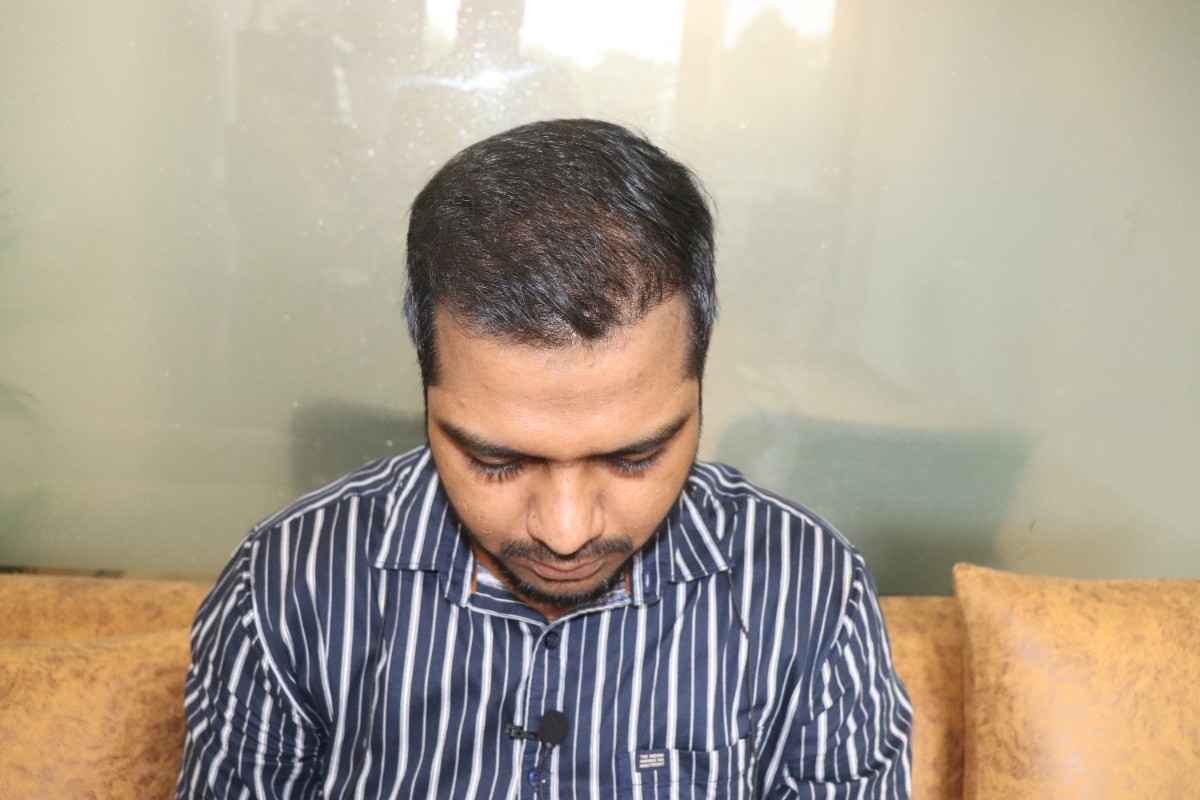
The final results were visible around 10 months after the surgery.
Rahul achieved:
-
A natural hairline
-
Significant improvement in hair density
-
The ability to try different hairstyles
Both the donor area and transplanted area looked completely natural.
Patient Satisfaction
Rahul was extremely happy with his transformation. The successful hair transplant not only restored his hair but also improved his confidence and social comfort.
He continues to maintain his hair with the following:
-
Minoxidil
-
Occasional PRP sessions if needed
Conclusion
This case study demonstrates how a properly planned FUE hair transplant combined with PRP therapy and medical treatment can deliver natural and long-lasting results.
With 3920 grafts transplanted using the I-FUE technique, Rahul successfully regained a natural hairline and improved hair density.
Looking for a hair transplant solution?
If you are experiencing hair loss or baldness, consult our expert doctors for a detailed scalp analysis and personalized treatment plan.
Our team at Hairfree & Hairgrow Clinic is dedicated to delivering safe, natural, and permanent hair restoration results.